
Detecting Zero-Day Attacks with Exabeam
Zero-day attacks are exploits targeting previously unknown vulnerabilities in software. Traditional protection methods based on signatures and known attack patterns are ineffective against such threats. Detecting zero-day attacks requires a proactive approach that combines Threat Intelligence and behavioral analysis.Exabeam Overview
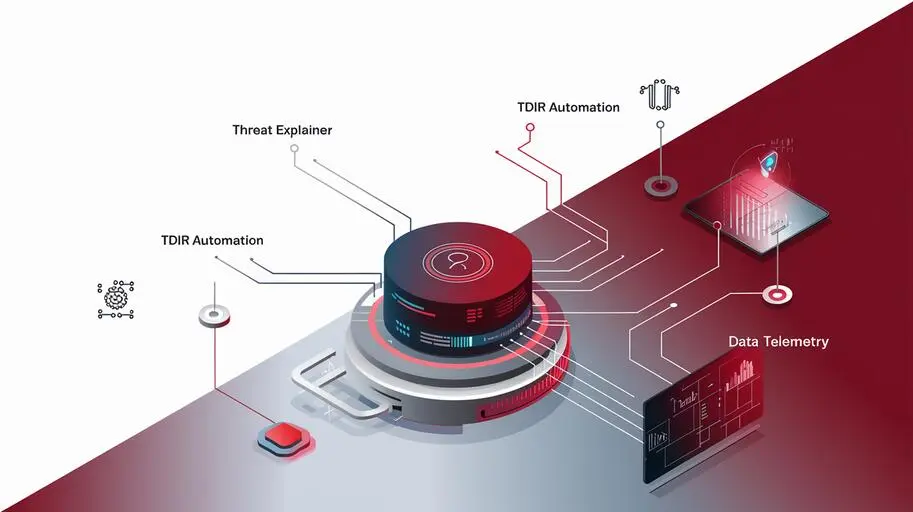
Exabeam is a platform designed for proactive detection and response to cyber threats. It uses advanced data analysis technologies, including Threat Intelligence integration, behavioral analysis, and advanced security analytics, to identify even the most sophisticated and previously unknown attacks. Exabeam enables organizations to protect themselves from unknown attacks, minimize risks, and maintain a high level of cybersecurity.Key Components of Exabeam:
- Data Collection and Processing: The platform collects data from various sources, including event logs, network traffic, and threat intelligence.
- Data Analysis: Exabeam uses various analysis methods, including behavioral analysis, event correlation, and machine learning, to identify suspicious activity.
- Visualization and Reporting: The platform provides intuitive visualization and reporting tools that allow users to quickly identify and analyze threats.
- Response Automation: Exabeam allows you to automate incident response processes, reducing the time needed to eliminate threats.
Using Threat Intelligence
Exabeam uses a wide range of Threat Intelligence sources to detect and prevent zero-day attacks. These sources include:- Commercial Threat Intelligence Feeds: Subscriptions to paid services that provide up-to-date information about new threats, vulnerabilities, and malicious activity.
- Open Source Threat Intelligence (OSINT): Gathering data from open sources such as security blogs, forums, and social networks.
- Threat Intelligence Sharing: Participating in threat intelligence sharing communities with other organizations and government agencies.
- Internal Threat Intelligence: Information about threats collected within the organization, such as data about previous security incidents.
Examples of using IoCs and TTPs:
- IoC: Detecting a connection to a known malicious command and control server.
- TTP: Identifying the use of PowerShell to download and execute malicious code.

Behavioral Analysis
Behavioral analysis is a key component of Exabeam for detecting zero-day attacks. The system continuously monitors the behavior of users, systems, and network devices to identify anomalous behavior that may indicate an attack. Behavioral analysis is based on creating baseline profiles of normal behavior for each user and system. The system then compares current behavior against these profiles and generates alerts if significant deviations are detected.Examples of suspicious behavior:
- Unexpected access to critical resources.
- Unusual network activity, such as transferring large amounts of data to unknown IP addresses.
- Use of accounts compromised by attackers.
- Attempts to run unknown or unauthorized programs.
Interaction of Threat Intelligence and Behavioral Analysis
Exabeam integrates threat intelligence and behavioral analysis for more effective detection of zero-day attacks. Threat intelligence is used to improve the effectiveness of behavioral analysis by providing context and information about potential threats. For example, if a user starts connecting to an IP address that has recently been flagged as malicious in a threat intelligence feed, the system may generate an alert with a higher priority. In turn, behavioral analysis helps detect zero-day attacks that have not been detected based on threat intelligence alone. This is especially important because indicators of compromise for zero-day attacks are often not yet known when the attack has just begun. Behavioral analysis allows you to identify suspicious activity, even if it is not associated with known IoCs. Exabeam provides powerful tools for Threat Hunting, allowing security analysts to actively search for threats in the organization's network. Analysts can use threat intelligence, behavioral analysis, and other sources of information to identify and eliminate potential attacks before they cause damage.Use Cases
Let's look at some hypothetical but realistic zero-day attack scenarios and how Exabeam can help detect and prevent them:- Scenario 1: An attacker discovers a previously unknown vulnerability in a popular web browser and uses it to install malicious software on employee computers. Exabeam can detect this attack by analyzing network traffic and identifying unusual connections to external servers. In addition, the system can detect the launch of unauthorized programs and alert security administrators.
- Scenario 2: An attacker compromises the account of a privileged user and uses it to gain access to critical data. Exabeam can detect this attack by analyzing user behavior and identifying unusual access to resources. The system can also detect suspicious commands being executed by the user and alert security administrators.
- Scenario 3: An attacker uses a Watering Hole attack, infecting a popular website visited by organization employees. Exabeam can detect this attack by analyzing network traffic and identifying suspicious redirects to malicious sites. In addition, the system can detect the download of malicious code from this site and alert security administrators.
Benefits of Exabeam in the context of protection against zero-day attacks
Exabeam provides a number of key benefits in the context of protection against zero-day attacks:- Improved detection of previously unknown threats: Exabeam uses modern data analysis methods to identify even the most sophisticated and previously unknown attacks.
- Reduced incident response time: Response automation allows you to quickly eliminate threats and minimize damage. Company N reduced the time to make changes to security policies by 70% through automation.
- Proactive protection against unknown attacks: Exabeam allows organizations to prevent attacks before they cause damage.
- Improved visibility of cyber threats in the organization: Exabeam provides a complete picture of cyber threats, allowing you to make informed security decisions.
Conclusion
Exabeam is a powerful solution for protecting against zero-day attacks. By combining Threat Intelligence and behavioral analysis, Exabeam enables organizations to identify and prevent even the most sophisticated and previously unknown attacks. The platform provides protection against unknown attacks, reduces incident response time and provides improved visibility of cyber threats. Learn more about Exabeam and how it can help protect your organization. Contact us for a personalized consultation on implementing Exabeam.Frequently Asked Questions About Protecting Against Zero-Day Attacks with Exabeam
What are zero-day attacks and why are they dangerous?
Zero-day attacks exploit previously unknown vulnerabilities in software, making traditional defenses ineffective. They are dangerous because software vendors have no ready-made patches, and attackers can exploit these vulnerabilities before they are discovered.
How does Exabeam detect zero-day attacks?
Exabeam uses a combination of threat intelligence and behavioral analysis to identify suspicious activity that may indicate a zero-day attack. It analyzes the behavior of users, systems, and network traffic for anomalies.
What threat intelligence sources does Exabeam use?
Exabeam uses commercial and open-source threat intelligence (OSINT) feeds, participates in threat intelligence sharing with other organizations, and leverages internal threat intelligence data collected within the organization.
What is behavioral analysis and how does it help in detecting zero-day attacks?
Behavioral analysis is the monitoring of the behavior of users, systems, and network devices to identify anomalies. It helps detect zero-day attacks by identifying suspicious activity that is not associated with known indicators of compromise (IoCs).
How does Exabeam minimize false positives when detecting attacks?
Exabeam uses sophisticated machine learning algorithms and considers behavioral context to distinguish normal behavior from anomalous behavior, which minimizes false positives and improves the accuracy of threat detection.
What are Indicators of Compromise (IoCs) and how does Exabeam utilize them?
Indicators of Compromise (IoCs) are artifacts that indicate a potential compromise of a system or network (e.g., IP addresses, domain names, file hash values). Exabeam uses IoCs to identify suspicious activity.
How does Exabeam help respond to security incidents related to zero-day attacks?
Exabeam enables automated incident response processes, reducing the time required to remediate threats and minimize damage.
What advantages does Exabeam provide in protecting against zero-day attacks?
Exabeam provides improved detection of previously unknown threats, reduces incident response time, provides proactive protection against attacks, and improves visibility of cyber threats within the organization.