

Protecting Patient Data: Trust IAP and HIPAA Compliance
Effective protection of PHI (Protected Health Information) is a critical task for modern healthcare institutions. The increasing volume of digital medical data, expanding practice of remote access, and the growing complexity of cyber threats require comprehensive and reliable solutions. Trust IAP (Identity Access Platform) offers advanced tools to ensure the security of patient data and compliance with HIPAA requirements.
Remote Access to HIS/PACS Medical Systems: Security Above All
Doctors and medical personnel increasingly need secure remote access to medical systems such as HIS (Hospital Information System) and PACS (Picture Archiving and Communication System) to provide timely and quality medical care. However, unprotected remote access creates serious risks of PHI leaks. Trust IAP provides a solution that ensures secure and controlled remote access to critical medical systems.
Benefits of Trust IAP for Remote Access:
- Secure tunnel: Trust IAP creates an encrypted tunnel between the remote user and medical systems, protecting data from interception during transmission.
- Two-Factor Authentication (2FA): Mandatory use of 2FA for all remote users significantly reduces the risk of unauthorized access, even if credentials are compromised.
- Role-Based Access Control (RBAC): Trust IAP allows you to assign different levels of access to medical systems based on the user's role, ensuring that each employee has access only to the necessary information.
- Full Audit and Reporting: All user actions are logged and tracked, allowing you to identify suspicious activity and ensure compliance with regulatory requirements.
- Integration with Existing Systems: Trust IAP easily integrates with existing HIS and PACS, minimizing the need for significant infrastructure changes.
How Trust IAP ensures secure remote access:
- User attempts to access HIS or PACS from a remote location.
- Trust IAP requires two-factor authentication to verify the user's identity.
- After successful authentication, Trust IAP creates an encrypted tunnel between the user's device and the target medical system.
- User gains access to data in accordance with their assigned access rights.
- All user actions are logged for audit and reporting.
Two-Factor Authentication for Medical Staff: The First Line of Defense
Two-Factor Authentication (2FA) is a critical layer of protection for healthcare institutions. It adds an extra step to the login process, requiring users to provide two different types of identification. This significantly complicates the task for attackers, even if they manage to gain access to passwords. Trust IAP provides a reliable and convenient solution for implementing 2FA throughout the organization.
Benefits of Using Trust IAP for Two-Factor Authentication:
- Support for various 2FA methods: Trust IAP supports a wide range of 2FA methods, including:
- Time-based One-Time Passwords (TOTP) via a mobile application.
- SMS messages with a verification code.
- Hardware tokens.
- Biometric data (e.g., fingerprints).
- Push notifications to a mobile device.
- Easy integration: Trust IAP easily integrates with existing authentication systems, such as Active Directory and LDAP, simplifying the 2FA implementation process.
- Customizable Authentication Policies: Trust IAP allows you to customize authentication policies based on user role, access level, and system type.
- Ease of Use: Trust IAP offers an intuitive interface for managing user accounts and 2FA settings.
- Centralized Management: Trust IAP provides a single console for managing all aspects of authentication, simplifying administration and monitoring.
How Trust IAP provides two-factor authentication:
- User attempts to log in to a medical system.
- Trust IAP prompts for the username and password.
- After successful password verification, Trust IAP requests a second authentication factor (e.g., a code from a mobile application).
- User enters the second authentication factor.
- Trust IAP verifies the second authentication factor.
- If both authentication factors are correct, the user is granted access to the system.
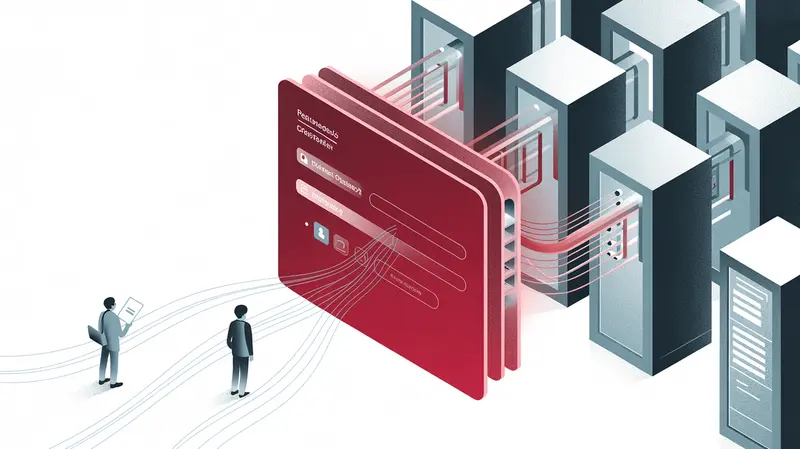
Preventing Personal Data (PHI) Leaks: A Comprehensive Approach to Protection
Leaks of PHI can have serious consequences for healthcare institutions, including financial penalties, loss of reputation, and legal claims. Trust IAP offers a comprehensive approach to protecting PHI, including preventing, detecting, and responding to data breaches.
Trust IAP components for preventing PHI leaks:
- Strict Access Control: Trust IAP provides role-based access control (RBAC), ensuring that only authorized users have access to PHI.
- Data Encryption: Trust IAP encrypts PHI both at rest and in transit, protecting it from unauthorized access.
- User Activity Monitoring: Trust IAP tracks all user actions, including data access, configuration changes, and login attempts, allowing you to identify suspicious activity.
- Data Loss Prevention (DLP): Trust IAP DLP helps prevent the leakage of PHI by blocking the transmission of sensitive data outside the protected network.
- Vulnerability Management: Trust IAP helps identify and eliminate security vulnerabilities, reducing the risk of attackers exploiting vulnerabilities.
Trust IAP components for detecting PHI leaks:
- Anomaly Detection: Trust IAP uses machine learning algorithms to identify anomalous user behavior that may indicate a data breach.
- Security Log Analysis: Trust IAP analyzes security logs to identify signs of system compromise.
- Real-Time Alerts: Trust IAP sends real-time alerts when suspicious activity is detected, allowing you to respond quickly to security incidents.
Trust IAP components for responding to PHI leaks:
- Automated Response Scenarios: Trust IAP allows you to automate security incident response scenarios, such as blocking user accounts, isolating compromised systems, and notifying relevant parties.
- Forensic Support: Trust IAP provides tools for collecting and analyzing evidence needed to conduct a forensic investigation after a data breach.
- Incident Reporting: Trust IAP helps healthcare institutions comply with regulatory requirements for security incident reporting.
HIPAA Compliance: Trust IAP as a Reliable Partner
HIPAA sets strict requirements for the protection of PHI. Trust IAP helps healthcare institutions meet HIPAA requirements by providing the tools and features needed to protect patient data.
How Trust IAP Helps Meet HIPAA Requirements:
- Access Control (Access Control - 164.312(a)): Trust IAP provides strict access control to PHI, restricting access only to authorized users.
- Audit Security Records (Audit Controls - 164.312(b)): Trust IAP maintains detailed security audit records that allow you to track access to PHI and identify suspicious activity.
- Integrity (Integrity - 164.312(c)(1)): Trust IAP helps ensure the integrity of PHI, protecting it from unauthorized modification or deletion.
- Authentication (Person or Entity Authentication - 164.312(d)): Trust IAP uses two-factor authentication to verify the identity of users accessing PHI.
- Transmission Security (Transmission Security - 164.312(e)): Trust IAP encrypts PHI when transmitted over the network, protecting it from interception.
- Security Risk Analysis (Security Risk Analysis - 164.308(a)(1)(ii)(A)): Trust IAP helps conduct regular security assessments to identify and address potential risks to PHI.
- Incident Response (Security Incident Procedures - 164.308(a)(6)(i)): Trust IAP provides tools for responding to security incidents, including automated response scenarios and forensic support.
Conclusion
Trust IAP is a comprehensive solution for protecting patient data and complying with HIPAA requirements. With its advanced features and robust architecture, Trust IAP helps healthcare institutions protect PHI, ensure secure remote access, and avoid costly data breaches. Implementing Trust IAP is an investment in the security, reputation, and future of your healthcare organization.
Frequently Asked Questions about Patient Data Protection and HIPAA Compliance
What is PHI and why is it important to protect it?
PHI (Protected Health Information) is confidential medical information. Protecting it is crucial to upholding patient rights, preventing financial losses, and maintaining the reputation of the medical institution.
How does Trust IAP help ensure secure remote access to medical systems?
Trust IAP provides secure remote access by creating an encrypted tunnel, using two-factor authentication, role-based access control, and a full audit trail of all user actions.
What two-factor authentication methods does Trust IAP support?
Trust IAP supports various two-factor authentication methods, including time-based one-time passwords (TOTP), SMS messages, hardware tokens, biometric data, and push notifications.
How does Trust IAP help prevent PHI leaks?
Trust IAP prevents PHI leaks through strict access control, data encryption, user activity monitoring, data loss prevention (DLP), and vulnerability management.
What Trust IAP components are used to detect PHI leaks?
Trust IAP uses anomaly detection, security log analysis, and real-time alerts to detect PHI leaks.
How does Trust IAP help healthcare organizations comply with HIPAA requirements?
Trust IAP helps comply with HIPAA by providing access control, maintaining audit trails, protecting data integrity, authenticating users, securing data transmission, and providing tools for security assessment and incident response.
How difficult is it to integrate Trust IAP with existing medical systems (HIS and PACS)?
Trust IAP easily integrates with existing HIS and PACS systems, minimizing the need to make significant changes to the infrastructure.
What happens if a data breach occurs despite using Trust IAP?
Trust IAP provides incident response tools, including automated scripts, forensic support, and reporting, to help minimize damage and comply with regulatory requirements in the event of a data breach.


