
The Air We Breathe: Why Intuition Isn't Enough to Create a Healthy Workplace Microclimate
How many times have you heard complaints about stuffiness in the office, excessively dry air, or constant colds among colleagues? Usually, in response to these problems, companies resort to simple solutions: ventilation, air humidifiers, installing additional houseplants. But are these methods really effective? Often, decisions are made intuitively, without any data on the actual state of the air in the room. As a result, money and time are spent on measures that do not bring the desired result, and the problem remains.
The Ineffectiveness of Intuitive Solutions: The Root of the Problem
The main problem lies in the lack of objective information. We may feel discomfort but not know the real reason. For example, a feeling of stuffiness may be caused not only by a lack of oxygen but also by elevated levels of carbon dioxide, harmful chemical compounds, or even mold. Without accurate data, we are acting blindly, trying to eliminate symptoms rather than the root of the problem.
- Lack of Data: Inability to determine the real state of the air.
- Incorrect Diagnosis: False conclusions about the causes of discomfort.
- Ineffective Spending: Investments in measures that do not improve the situation.
- Lack of Monitoring: Inability to assess the effectiveness of the measures taken.
Real-Time Air Monitoring: The Key to Effective Microclimate Management
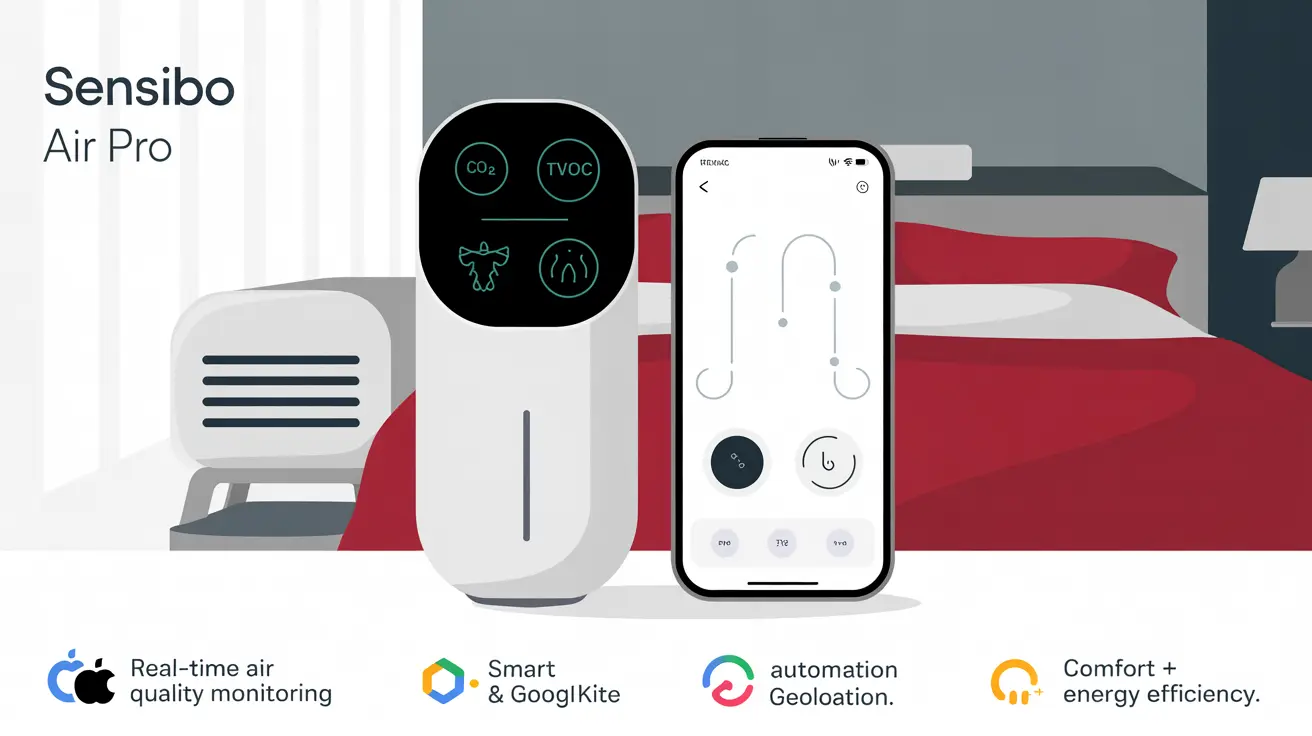
Modern technologies offer a solution that allows you to move away from intuitive solutions and move to microclimate management based on data. Air monitoring systems in real-time are complexes of sensors that constantly collect information about various air parameters and transmit it to a centralized platform. This makes it possible to get a complete picture of the air quality in the office and make informed decisions.
What Air Parameters Need Monitoring?
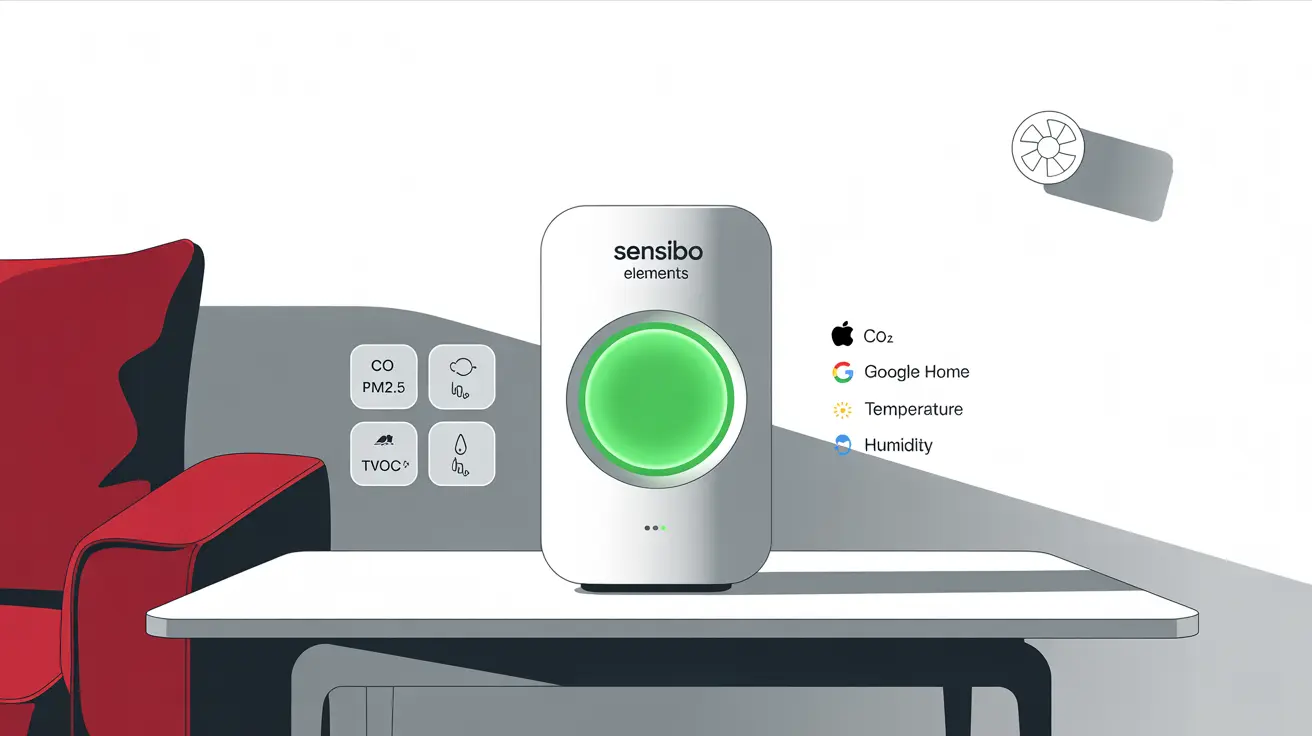
To get an objective picture of the air quality, it is necessary to monitor a number of key indicators. Each of them affects the health, productivity, and comfort of employees.
Key Air Quality Indicators
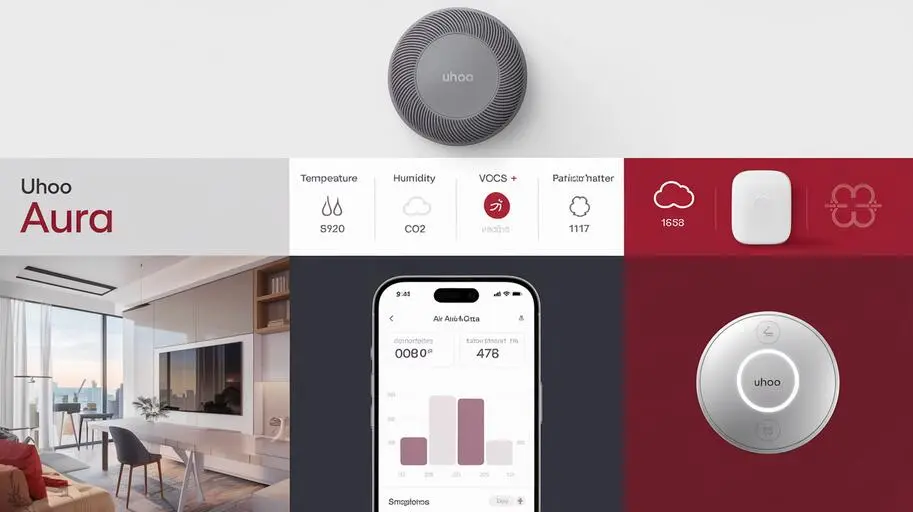
- Temperature: Affects comfort and the body's thermal balance.
- Humidity: Too low or high humidity can cause discomfort, dry skin and mucous membranes, and promote the spread of viruses and bacteria.
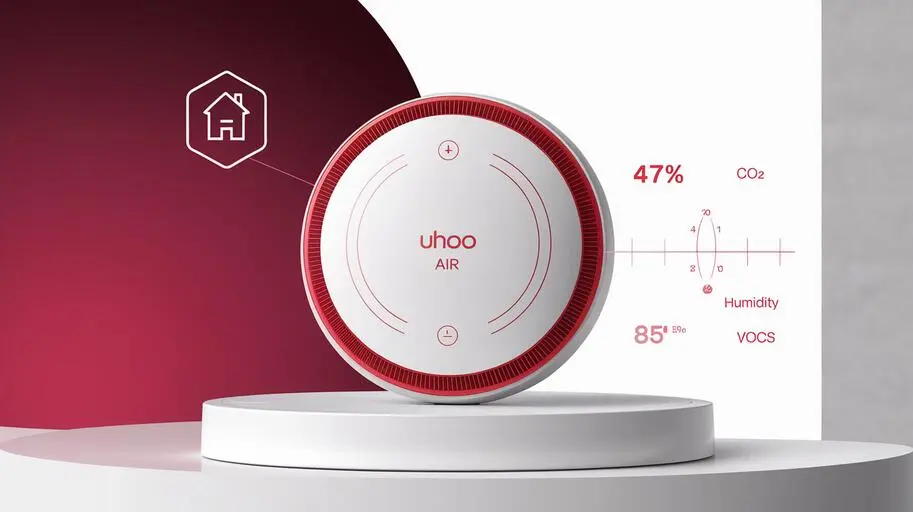
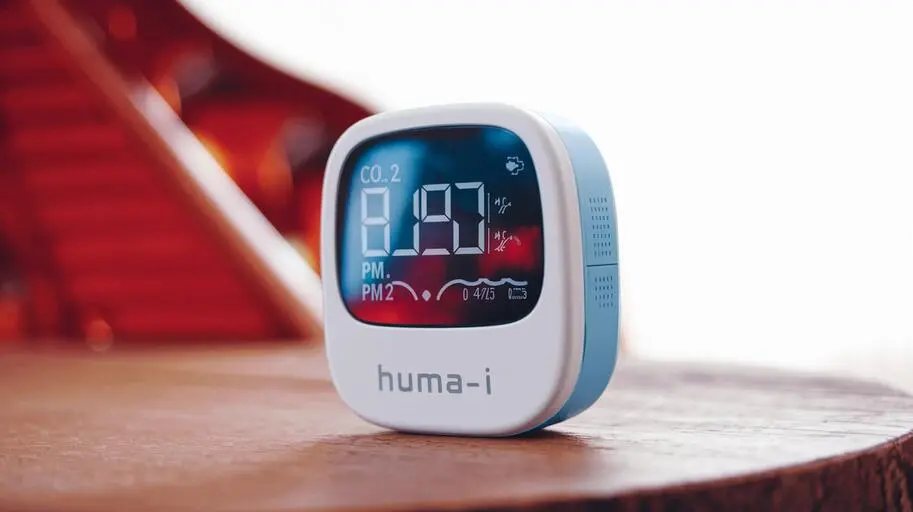
- Carbon Dioxide (CO2): Elevated CO2 levels lead to decreased concentration, fatigue, and headaches.
- Volatile Organic Compounds (VOCs): Released from building materials, furniture, paints, cleaning products, and office equipment. Some VOCs are carcinogenic and can cause allergic reactions.
- Particulate Matter (PM2.5, PM10): Fine particles of dust, soot, and smoke that penetrate the lungs and can cause respiratory diseases.
- Formaldehyde (HCHO): Released from particleboard, plywood, and glue. Has an irritating effect on mucous membranes and may be carcinogenic.
- Ozone (O3): Formed as a result of the operation of laser printers and copiers. May cause respiratory irritation.
Why is it Important to Monitor These Indicators?
Each of the listed indicators has its impact on the health and productivity of employees. A balanced level of temperature and humidity ensures a comfortable stay in the office, which positively affects concentration and efficiency. Monitoring CO2 levels helps to avoid fatigue and headaches, and monitoring VOCs, particulate matter, formaldehyde, and ozone protects employees from harmful effects and prevents the development of diseases.
Real-Time Analytics: How Does It Work?
Real-time air monitoring systems don't just collect data; they analyze it and provide useful information that helps in making informed decisions.
Stages of Operation of the Air Monitoring System
- Installation of Sensors: Sensors are placed in different areas of the office to collect data on air quality.
- Data Collection: Sensors constantly measure the concentration of various pollutants, temperature, and humidity.
- Data Transmission: Data is transmitted to a centralized platform via Wi-Fi or another wireless network.
- Data Analysis: The platform processes data, identifies trends and anomalies, and compares them with regulatory values.
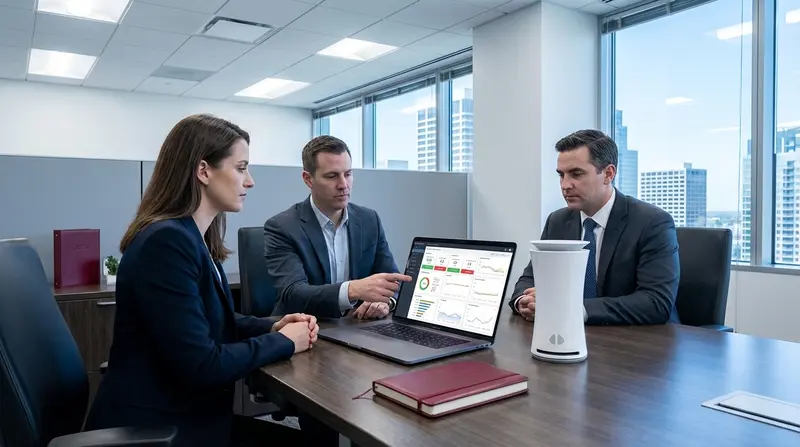
- Data Visualization: Information is displayed in the form of graphs, charts, and reports that are easy to understand and analyze.
- Notifications: The system sends notifications in case of detection of exceeding permissible values or other problems.
Practical Applications of Air Analytics: Examples
- Ventilation System Optimization: Based on CO2 level data, the ventilation intensity can be automatically adjusted, ensuring an optimal supply of fresh air.
- Identification of Pollution Sources: VOC monitoring allows identifying sources of harmful emissions, such as low-quality furniture or cleaning products, and taking measures to eliminate them.
- Filter Efficiency Control: Monitoring particulate matter allows assessing the efficiency of installed filters and replacing them in time.
- Microclimate Improvement: Based on temperature and humidity data, the operation of heating and air conditioning systems can be adjusted, creating comfortable conditions for employees.
- Forecasting: Based on historical data, it is possible to predict changes in air quality and take preventive measures to prevent problems.
Data-Driven Management Decisions: Benefits for Business
Using air quality data for management decisions provides significant benefits for business that cannot be obtained by acting "on a feeling."
Benefits of Air Monitoring for Business
- Increased Employee Productivity: Comfortable working conditions, clean air, and the absence of harmful effects positively affect the concentration, efficiency, and overall well-being of employees.
- Reduced Sick Leave: Controlling air quality helps prevent the spread of viruses and bacteria, as well as reduce the impact of harmful factors, which leads to a decrease in morbidity.
- Energy Savings: Optimizing the operation of ventilation, heating, and air conditioning systems based on data allows reducing energy consumption and lowering utility costs.
- Improved Company Image: Caring for the health of employees and creating a healthy working environment positively affects the company's image and attracts talented professionals.
- Compliance with Regulatory Requirements: Air monitoring allows controlling the compliance of the working environment with regulatory requirements and avoiding fines.
- Informed Decision-Making: The availability of objective data on air quality allows making informed decisions to improve the microclimate and avoid ineffective costs.
Real-World Examples of Successful Application
Many companies are already using air monitoring systems to improve working conditions and increase business efficiency. For example, one large IT company, after installing a monitoring system, found that the CO2 level in one of the open spaces often exceeded permissible norms, which led to drowsiness and decreased concentration of employees. After optimizing the ventilation system, the CO2 level stabilized, and employee productivity increased by 15%. Another example is a manufacturing enterprise, which, thanks to monitoring particulate matter, was able to detect a malfunction in the filtration system and promptly eliminate it, preventing air pollution and protecting the health of employees.
How to Choose an Air Monitoring System: Key Criteria
Choosing an air monitoring system is an important step that requires careful consideration of various factors. To make the right decision, it is necessary to consider the size of the office, the number of employees, the specifics of the company's activities, and other features.
Key Criteria for Choosing a Monitoring System
- Accuracy and Reliability of Sensors: It is important that the sensors provide accurate and reliable measurements to obtain an objective picture of the air quality.
- Number of Sensors: The number of sensors should be sufficient to cover the entire area of the office and take into account different zones with different conditions.
- Parameters Monitored: The system should monitor all key air quality parameters that are important to your business.
- Ease of Use: The platform should be intuitive and easy to use so that users can easily analyze data and make decisions.
- Integration with Other Systems: The system should be able to integrate with other building management systems, such as ventilation, heating, and air conditioning systems, for automatic microclimate optimization.
- Cost: The cost of the system should be justified and correspond to its functionality and efficiency.
- Technical Support: It is important that the system provider provides quality technical support and assistance in solving any problems.
Tips for Implementing a Monitoring System
- Thoroughly Analyze the Needs of Your Business: Determine which air quality parameters are most important to your company and what problems you want to solve with monitoring.
- Choose a System That Meets Your Needs: Compare different monitoring systems and choose the one that best meets your requirements and budget.
- Ensure Proper Installation and Configuration of Sensors: Invite qualified specialists to install and configure the sensors to ensure their accurate operation.
- Train Employees to Use the Platform: Conduct training for employees so that they can easily analyze data and make decisions based on it.
- Regularly Analyze Data and Adjust Measures: Constantly analyze the data obtained from the monitoring system and adjust measures to improve the microclimate in the office.
Feel the Difference: Investing in a Healthy Future
Investing in an air monitoring system is an investment in the health of employees, increased productivity, and improved company image. It is a step towards creating a healthy and comfortable working environment where employees can fully realize their potential. Forget about intuitive solutions and switch to data-driven microclimate management. Feel the difference today!
Take Action Now!
Don't wait until air quality problems start to negatively impact your business. Take the first step towards creating a healthy working environment - start monitoring the air in your office today. Contact air monitoring system providers and get advice on choosing the optimal solution for your company.
Frequently Asked Questions About Office Air Monitoring: From Intuition to Analytics
Why is it insufficient to rely on intuition to assess air quality in the office?
Intuitive decisions are often based on subjective feelings and do not take into account objective indicators. A feeling of stuffiness, for example, may be caused not only by a lack of oxygen, but also by elevated levels of carbon dioxide, harmful substances, or even mold. Without accurate data, it is difficult to determine the real cause of discomfort and take effective measures.
What are the main air quality indicators that need to be monitored in the office?
Key indicators include temperature, humidity, carbon dioxide (CO2) levels, volatile organic compounds (VOCs), particulate matter (PM2.5, PM10), formaldehyde (HCHO), and ozone (O3). Each of these indicators affects the health, productivity, and comfort of employees.
How does a real-time air monitoring system work?
The system consists of sensors that collect air quality data and transmit it to a centralized platform. The platform analyzes the data, identifies trends and anomalies, compares them with regulatory values, and displays information in the form of graphs and reports. In case of exceeding permissible values, the system sends notifications.
What are the business benefits of air quality monitoring?
Monitoring allows you to increase employee productivity, reduce sick leave, save energy, improve the company's image, ensure compliance with regulatory requirements, and make informed management decisions based on data.
What criteria should be considered when choosing an air monitoring system?
It is important to consider the accuracy and reliability of the sensors, their number, monitored parameters, ease of use of the platform, the possibility of integration with other systems, cost, and the availability of technical support.
How does air data analysis help in making management decisions?
Data analysis allows you to optimize the ventilation system, identify sources of pollution, monitor the effectiveness of filters, improve the microclimate and predict changes in air quality, which allows you to make informed decisions to improve working conditions and save resources.