
"Heavy Air" in the Office: Moving from Complaints to Accurate Data
In many offices, a situation arises from time to time when employees begin to complain of feeling unwell, fatigue, headaches, or drowsiness. Often, these complaints are associated with "heavy air" in the room. But how to establish the real cause of the problem and offer an effective solution? Simply listening to complaints is not enough, because subjective feelings do not always reflect the objective picture. A technological approach based on measuring and monitoring key parameters is needed.
Problem: Subjective Complaints and Lack of Objective Data
Complaints about "heavy air" are a signal of possible problems, but they do not provide a clear answer to the question of what exactly is causing the discomfort. Different people may react differently to the same conditions, and what seems "heavy" to one may be quite acceptable to another. In addition, the well-being of employees is affected by many factors, including stress levels, work schedule, nutrition, and individual characteristics of the body. Therefore, it is impossible to rely only on subjective feelings. Objective data is needed to determine whether there really is a problem with air quality, and if so, what exactly it consists of. Objective assessment of air in the office is the key to comfortable and productive work.
- Complaints are often inaccurate: Employees may feel discomfort but not know the real reason.
- Subjectivity of perception: The same air quality can be perceived differently by different people.
- Influence of other factors: Well-being depends not only on the air but also on other working conditions and personal factors.
Why is it Important to Control Air Quality in the Office?
Air quality in the office directly affects employee productivity, their health, and overall well-being. Poor air can lead to:
- Decreased concentration: Insufficient oxygen levels and high levels of carbon dioxide impair cognitive function.
- Fatigue and drowsiness: Polluted air can cause fatigue, even if the employee has had a good night's sleep.
- Headaches and dizziness: Some pollutants, such as volatile organic compounds, can cause headaches and dizziness.
- Allergic reactions and respiratory diseases: Pollen, dust, mold, and other allergens can trigger allergic reactions and exacerbation of respiratory diseases.
- Increased number of sick leaves: Constant exposure to polluted air can weaken the immune system and make employees more vulnerable to infections.
Investing in air monitoring in the office is an investment in the health and productivity of your team.
Key Factors Affecting Air Quality in the Office
There are many factors that can affect air quality in an office space. Understanding these factors will help you identify potential sources of pollution and take appropriate measures to eliminate them.
Basic Parameters for Monitoring
For an objective assessment of air quality, it is necessary to control the following parameters:
- Carbon dioxide level (CO2): A high level of CO2 indicates insufficient ventilation and can lead to fatigue and drowsiness. A normal level of CO2 is considered to be up to 1000 ppm (parts per million).
- Level of volatile organic compounds (VOCs): VOCs are a group of chemicals that are released from building materials, furniture, paints, adhesives, office equipment, and other sources. Some VOCs can be harmful to health.
- Level of particulate matter (PM2.5 and PM10): Particulate matter is microscopic particles of dust, smoke, soot, and other pollutants that can penetrate the respiratory tract and cause respiratory diseases.
- Temperature and humidity: Too high or too low temperature and humidity can cause discomfort and promote the growth of mold.
- Oxygen level (O2): Insufficient oxygen levels can lead to fatigue and headaches.
Sources of Air Pollution in the Office
Sources of air pollution in the office can be:
- Ventilation: An inefficient ventilation system can lead to the accumulation of CO2, VOCs, and other pollutants.
- Building materials and furniture: Some building materials and furniture can release VOCs for a long time.
- Office equipment: Printers, copiers, and other office equipment can release ozone and other pollutants.
- Household chemicals: Cleaning agents, disinfectants, and other household chemicals may contain VOCs and other harmful substances.
- Smoking: Smoking indoors or near it leads to air pollution with tobacco smoke.
- Areas with heavy traffic of people: A large flow of people brings dust and other pollution.
- Heating and air conditioning systems: Improper operation and insufficient maintenance of heating and air conditioning systems can lead to the spread of pollutants.
- Biological pollutants: Mold, bacteria, and viruses can multiply in moist and poorly ventilated areas.
Impact of the Environment
Air quality in the office also depends on the quality of the air outside. Air pollution from transport, industrial enterprises, and other sources can penetrate the room through windows, doors, and ventilation systems. Therefore, it is important to consider the location of the office and the condition of the environment.
Technologies for Monitoring and Controlling Air Quality
Modern technologies offer a wide range of solutions for monitoring and controlling air quality in office premises. These solutions allow you to obtain accurate data on air quality in real time, identify sources of pollution, and take appropriate measures to eliminate them.
Air Quality Monitoring Systems
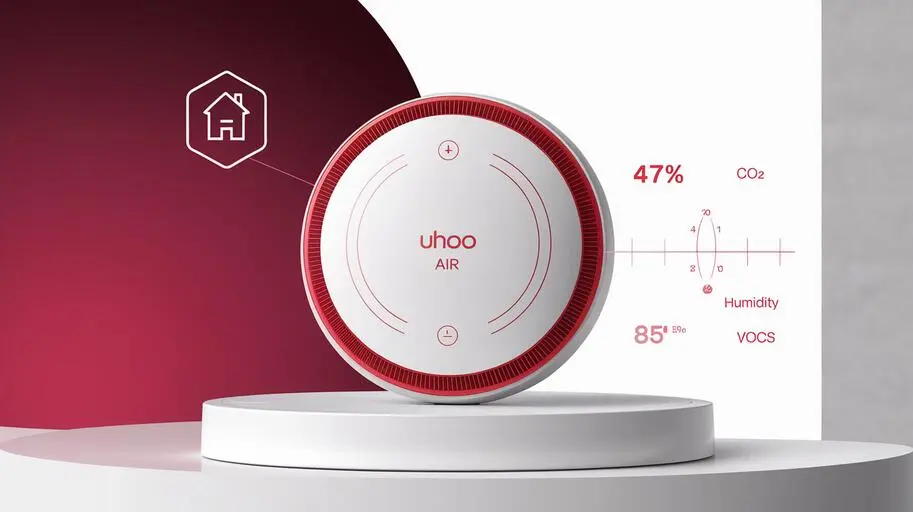
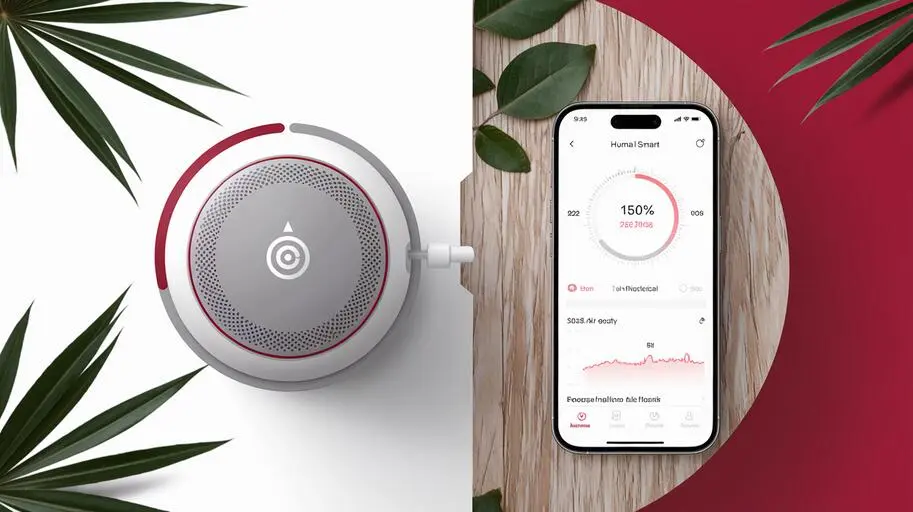
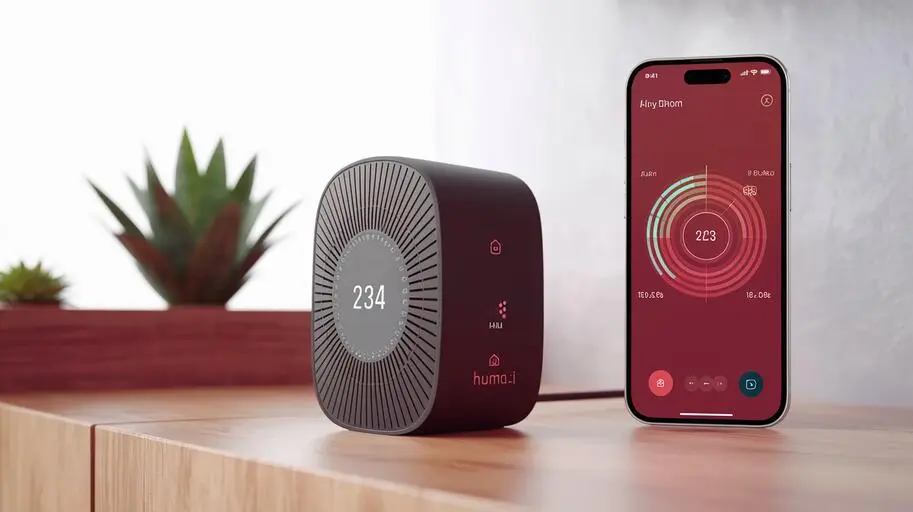
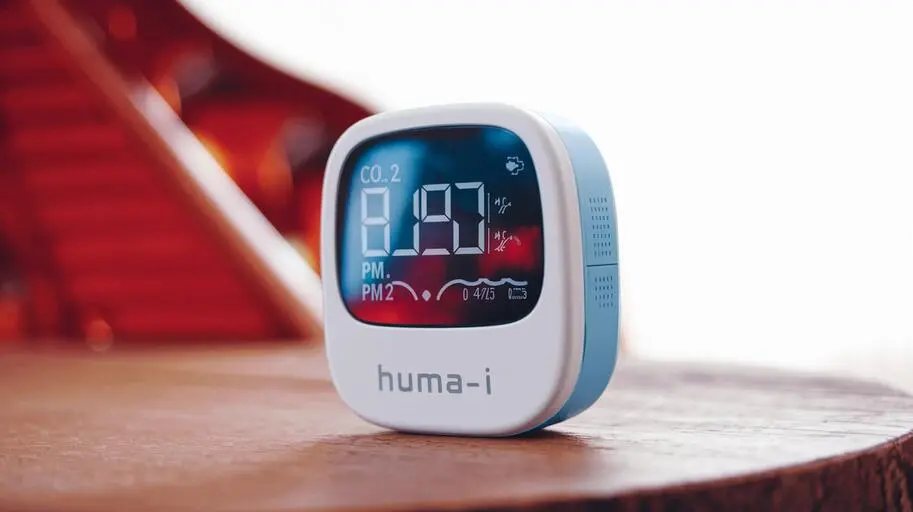
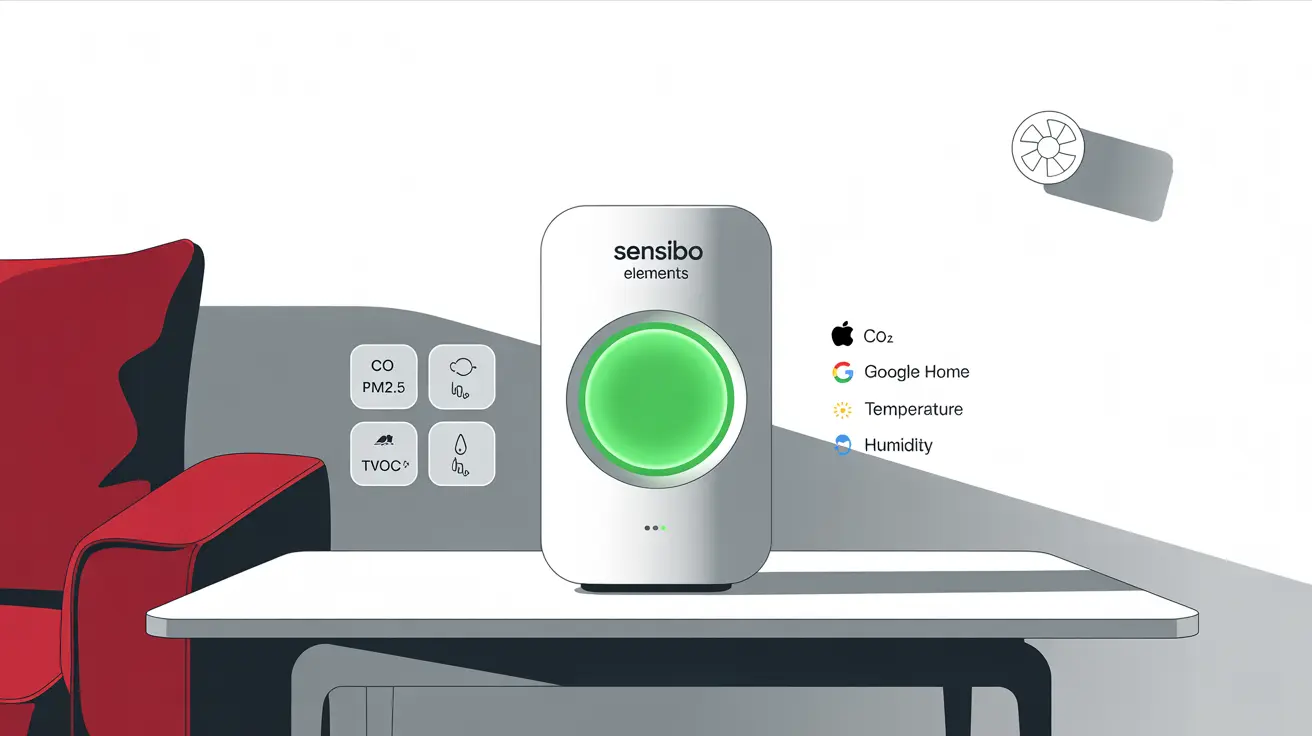
Air quality sensors are devices used to measure the concentration of various pollutants in the air. There are different types of sensors that can measure CO2 levels, VOCs, particulate matter, temperature, humidity, and other parameters. Sensors can be installed in different locations of the office to obtain a comprehensive picture of air quality. Data from sensors can be transmitted to a central server for analysis and visualization.
Types of air quality sensors:
- CO2 sensors: Measure the level of carbon dioxide, showing the efficiency of ventilation.
- VOC sensors: Detect volatile organic compounds released from furniture, paints and other materials.
- PM2.5 and PM10 sensors: Measure the concentration of fine and large particulate matter that can be harmful to the respiratory tract.
- Temperature and humidity sensors: Monitor climatic conditions in the room to avoid discomfort and mold growth.

Ventilation and Air Purification Systems
An effective ventilation system is a key element in ensuring quality air in the office. It provides a supply of fresh air from the street and removes polluted air from the room. There are different types of ventilation systems, including natural ventilation, mechanical ventilation, and hybrid systems. A properly designed and installed ventilation system is the key to a healthy microclimate in the office.
Air purification systems are used to remove pollutants from the air. They can use different technologies, such as filtration, adsorption, ionization, and ultraviolet radiation. HEPA (High-Efficiency Particulate Air) filters are the most effective for removing particulate matter, including dust, pollen, and allergens.
Types of air purification systems:
- HEPA Filters: Remove most particulate matter, including dust, pollen, and allergens.
- Carbon Filters: Adsorb VOCs and other gaseous pollutants.
- Ionizers: Generate ions that attach to pollutants, causing them to settle on surfaces.
- Ultraviolet (UV) Systems: Destroy bacteria, viruses, and mold with UV radiation.
Intelligent Climate Control Systems
Intelligent climate control systems are comprehensive solutions that combine air quality monitoring, ventilation, air purification, heating, and air conditioning functions. These systems use artificial intelligence algorithms to automatically adjust climatic parameters depending on current conditions and needs. For example, they can automatically increase ventilation intensity when CO2 levels rise or automatically turn on an air purifier when a high concentration of particulate matter is detected.
Benefits of intelligent climate control systems:
- Automatic adjustment: The system adjusts itself to the conditions without the need for constant human intervention.
- Energy efficiency: The system optimizes the operation of equipment to minimize energy consumption.
- Personalization: The system can take into account the individual needs of employees, for example, adjusting the temperature in separate areas of the office.
Practical Steps to Improve Air Quality in the Office
In addition to using technological solutions, there are many simple and affordable ways to improve air quality in the office.
Regular Ventilation
Regular ventilation is one of the simplest and most effective ways to improve air quality in the office. Open windows for at least 10-15 minutes several times a day to ensure a supply of fresh air. It is especially important to ventilate the room after cleaning, using household chemicals, or performing repair work.
Wet Cleaning
Wet cleaning helps remove dust and other dirt from surfaces. Regularly wash the floor, wipe furniture and other surfaces with a damp cloth. Avoid using harsh detergents that can release VOCs.
Using Plants
Indoor plants can help improve air quality in the office by adsorbing CO2 and some VOCs. Some plants, such as chlorophytum, spathiphyllum, and sansevieria, are particularly effective at filtering the air. Place several plants in different areas of the office to create a healthier and more pleasant environment.
Control of Pollution Sources
Try to minimize the use of sources of air pollution in the office. Choose building materials and furniture with a low VOC content. Use environmentally friendly detergents. Prohibit smoking in and near the building. Regularly maintain office equipment and ventilation systems. Minimizing office pollution are simple steps that will improve air quality.
Informing Employees
Inform employees about the importance of quality air and how they can help improve it. Conduct training on proper ventilation, use of environmentally friendly products, and other measures. Encourage employees to report any problems with air quality.
Conclusion: Investing in a Healthy Work Environment
Ensuring quality air in the office is not just a cost, but an investment in the health and productivity of your employees. Moving from complaints to accurate data, using modern technologies, and implementing simple practical measures will allow you to create a healthy and comfortable work environment in which your employees will feel good and work effectively. Remember that healthy air means productive employees and, as a result, a successful business.
Do not ignore complaints about "heavy air," because they may hide real problems that need to be addressed. With the help of technology and simple practical measures, you can create a healthy and comfortable working environment that will positively affect the well-being and productivity of your employees.
Frequently Asked Questions About "Heavy Air" in the Office: How Technology Can Help You Breathe Freely
Why are employee complaints about "heavy air" not enough to solve the problem?
Complaints are subjective and do not always reflect the objective picture. Different people may react differently to the same conditions, and well-being is affected by many factors besides air quality. Objective data is needed to determine the real problem.
What are the main air quality parameters that are important to monitor in the office?
It is important to monitor the level of carbon dioxide (CO2), volatile organic compounds (VOCs), particulate matter (PM2.5 and PM10), temperature, humidity and oxygen level (O2).
What are the main sources of air pollution in the office?
Sources may include inefficient ventilation, building materials and furniture, office equipment, household chemicals, smoking, areas with heavy traffic, heating and air conditioning systems, and biological pollutants (mold, bacteria, viruses).
What technologies can be used to monitor air quality in the office?
You can use air quality sensors that measure the concentration of various pollutants, ventilation and air purification systems (HEPA filters, carbon filters, ionizers, UV systems), and intelligent climate control systems.
What simple practical steps can be taken to improve air quality in the office?
Regular ventilation, wet cleaning, the use of indoor plants, control of pollution sources, informing employees about the importance of good air quality.
Why is investing in air quality in the office beneficial?
Ensuring good air quality improves the health, well-being and productivity of employees, reduces the number of sick days, and helps create a comfortable working environment.