
Air Quality as a New KPI for Business Spaces: What Tenants, Partners, and International Clients Expect
The days when the only criteria for a successful office were a convenient location and modern renovation are gone. Today, tenants, partners, and international clients are becoming increasingly demanding of working conditions, and one of the key factors influencing their choice is indoor air quality. This is no longer just a fashionable trend, but a pressing need that affects the productivity, health, and overall well-being of employees, and therefore the profitability of the business.
Air Quality as a Criterion for Choosing and Trusting a Space
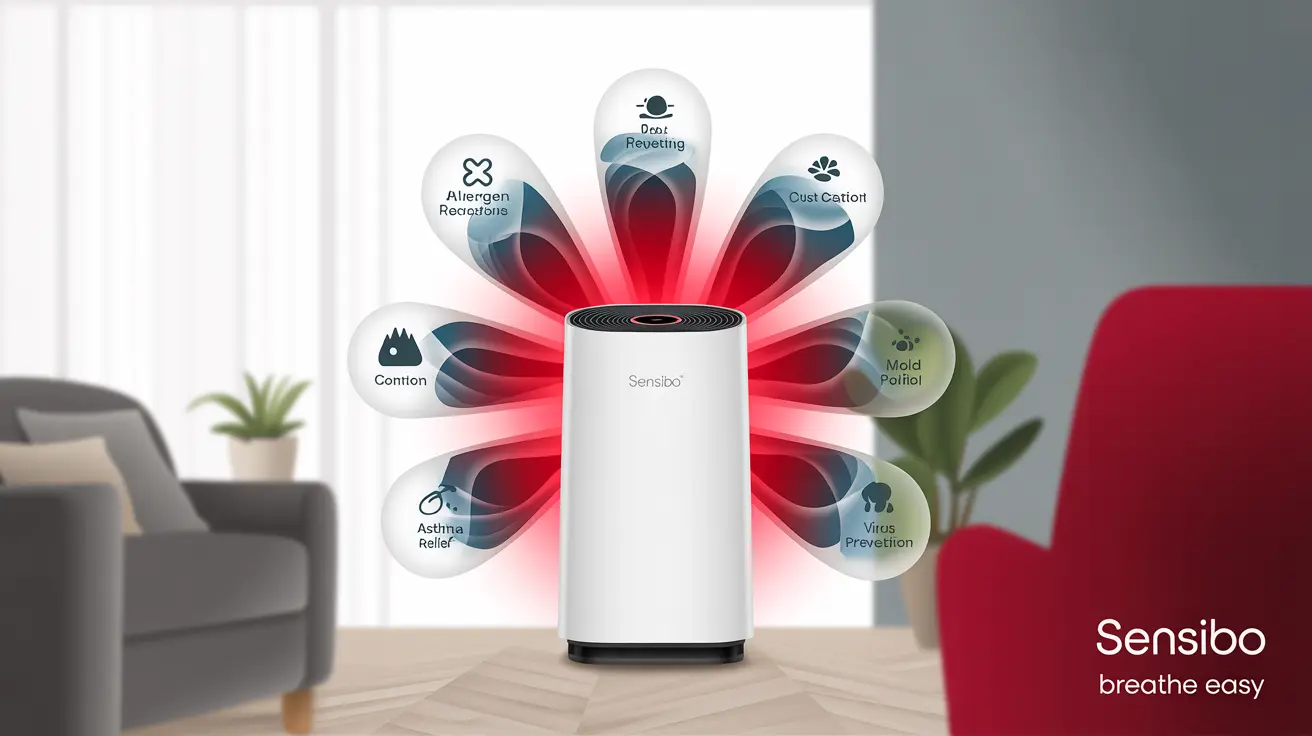
Think about it: a modern business center is a place where people spend a significant part of their lives. They work, meet with clients, conduct negotiations. And if the air in the office is polluted, it not only causes discomfort but can also lead to serious health problems, such as allergies, asthma, headaches, and even cardiovascular diseases. As a result, productivity decreases, sick leave increases, and ultimately, employee turnover. Therefore, it is not surprising that clean air is becoming an increasingly important factor when choosing an office.
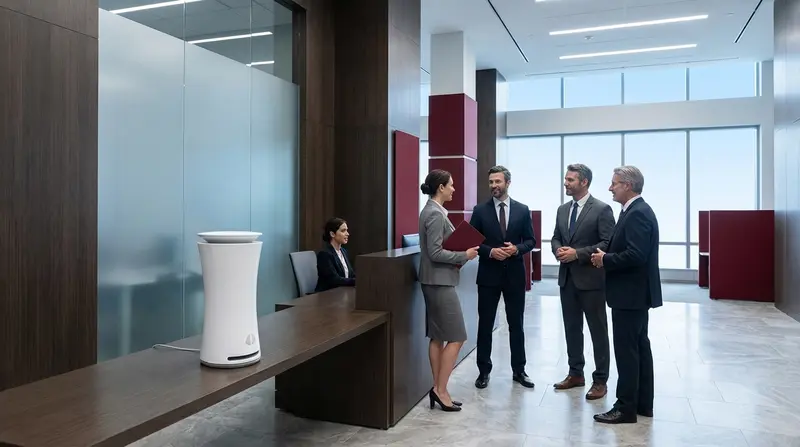
For tenants, office air quality is not only a matter of comfort but also an indicator of the company's responsibility to its employees. They are looking for spaces where they care about the health and well-being of people, as this positively affects their motivation and loyalty. Partners and investors are also paying more attention to this aspect, considering it as an indicator of sustainable development and social responsibility of the business.
For international companies, which are accustomed to high standards in the field of labor protection and ecology, air quality is one of the key criteria for choosing an office. They strive to provide their employees with healthy and comfortable working conditions, regardless of where they are located. This is also an important factor for attracting and retaining talented professionals who value their health and well-being.
So, air quality is no longer just an additional convenience, but an important competitive advantage for business centers. It affects reputation, attractiveness to tenants, partners, and international clients, as well as the long-term profitability of the business.
Air Quality Problems in Offices
Why is air quality in offices often unsatisfactory? There can be many reasons:
- Insufficient ventilation: Modern office buildings are often airtight, which hinders natural air circulation. If the ventilation system is not working effectively or is completely absent, harmful substances accumulate in the room.
- Pollution from outside: Outdoor air may contain high levels of pollutants, especially in large cities with heavy traffic and industrial enterprises. These substances can enter the office through open windows or an inefficient air filtration system.
- Emissions from office equipment: Printers, copiers, and other office equipment can emit harmful chemicals, such as ozone, volatile organic compounds (VOCs), and fine particles.
- Building materials and furniture: Some building materials, paints, adhesives, furniture, and carpets can emit VOCs, formaldehyde, and other harmful substances, especially in the first months after installation.
- Mold and fungus: Increased humidity in the room can lead to the formation of mold and fungus, which release spores and toxins that cause allergies and respiratory diseases.
- Insufficient hygiene: Dirt, dust, and microorganisms that accumulate on surfaces can pollute the air and cause allergic reactions and diseases.
- Air conditioning systems: Improper maintenance and cleaning of air conditioning systems can lead to the accumulation of dust, bacteria, and fungi, which are then spread throughout the room.
It is important to understand that the impact of these factors can be combined, which makes the problem even more complex. Therefore, it is necessary to comprehensively approach ensuring quality air in the office, taking into account all possible sources of pollution and ways to eliminate them.
Methods for Solving the Air Quality Problem
There are many ways to improve air quality in the office. Here are some of them:
Ventilation and Filtration
- HVAC system optimization: Regular maintenance and cleaning of the heating, ventilation, and air conditioning (HVAC) system is critical. Ensure proper air circulation and filter replacement according to the manufacturer's recommendations. Consider installing high-efficiency filters (HEPA) capable of capturing fine particles, allergens, and bacteria.
- Natural ventilation: If possible, use natural ventilation by opening windows to ventilate the room. It is important to consider external factors, such as air pollution levels and noise.
- Installation of heat recovery systems: Heat recovery systems allow you to use the heat of the exhaust air to heat the fresh air, which reduces heating costs and improves air quality.
Pollution Source Control
- Selection of environmentally friendly materials: When renovating and furnishing the office, use building materials, paints, adhesives, and furniture with low VOC content and other harmful substances.
- Regular cleaning: Conduct regular cleaning of the premises to remove dust, dirt, and other pollutants. Use vacuum cleaners with HEPA filters and environmentally friendly detergents.
- Humidity control: Maintain optimal humidity levels in the room (30-50%) to prevent mold and fungus formation. Use dehumidifiers or humidifiers as needed.
- Smoking restriction: Prohibit smoking indoors and near the entrance.
- Office equipment management: Place printers, copiers, and other equipment in well-ventilated areas and maintain them regularly.
Air Quality Monitoring
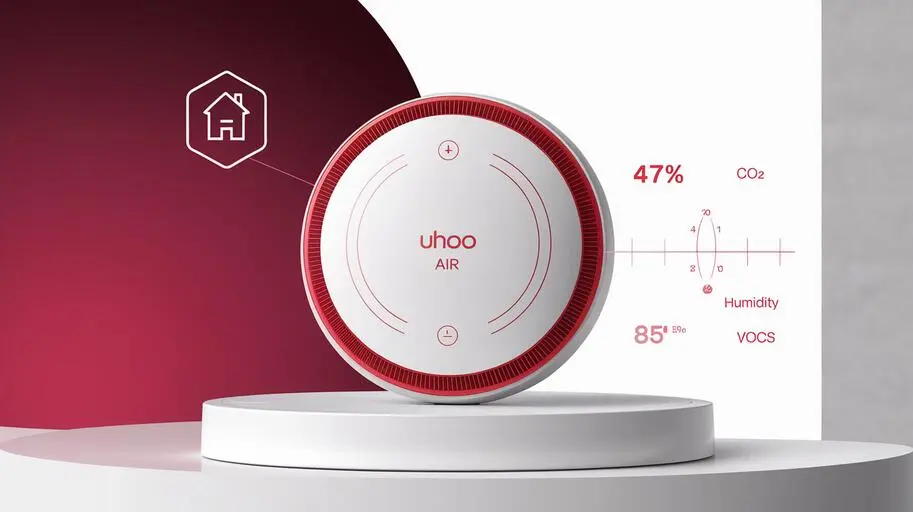
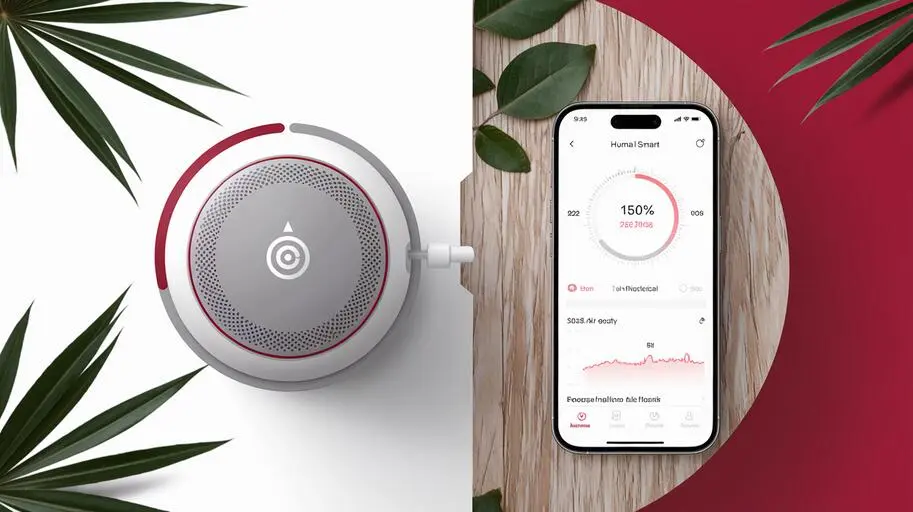
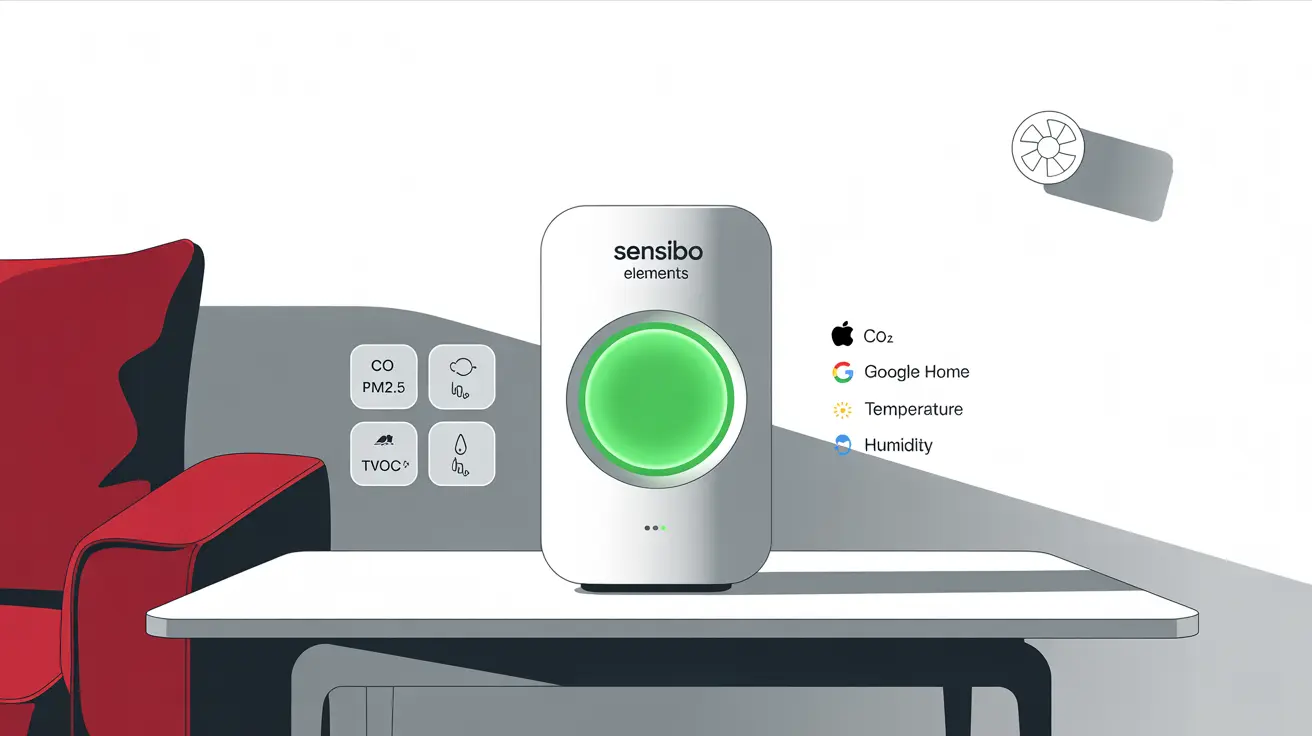
- Installation of air quality sensors: Use air quality sensors to continuously monitor air pollution levels in the office. This will allow you to respond to changes in a timely manner and take the necessary measures. Sensors can measure the level of particulate matter (PM2.5 and PM10), VOCs, carbon dioxide (CO2), temperature, and humidity.
- Regular inspections: Conduct regular air quality checks with certified laboratories for more accurate and detailed information.
Plants in the Office
- Use of indoor plants: Some indoor plants, such as spider plants, snake plants, and peace lilies, can absorb harmful substances from the air and improve its quality. Place plants in different parts of the office to create a healthier and more pleasant atmosphere.
Education and Information
- Informing employees: Raise employee awareness of the importance of air quality and ways to improve it. Conduct training sessions and seminars, and place information materials in the office.
- Creating an air quality policy: Develop and implement an air quality policy that defines standards and procedures for ensuring a healthy and comfortable environment in the office.
Air Quality in the Office: Prospects and Future
Growing awareness of the impact of air pollution on health and productivity is driving the development of new technologies and solutions in the field of ensuring clean indoor air. It is expected that in the future:
- Smart ventilation systems: Ventilation systems will be more intelligent and adaptive, automatically adjusting airflow and filtration depending on current conditions and needs.
- Biofiltration: Biofilters will use microorganisms to purify the air from harmful substances.
- Nanotechnology: Nanotechnology will be used to develop more efficient filters and materials capable of absorbing pollutants.
- Personalized solutions: Personalized solutions will be developed to improve air quality, taking into account the individual needs and preferences of employees.
Investment in Health and Success
In summary, it is worth noting that investing in ensuring quality air in the office is not just an expense, but a profitable investment in the health, productivity, and loyalty of employees, as well as in the reputation and attractiveness of the business center for tenants, partners, and international clients. By creating a healthy and comfortable work environment, you contribute to the development of a successful and sustainable business.
Business center owners and commercial real estate developers should already pay attention to the air quality in their facilities and implement modern solutions to improve it. This will allow you to attract and retain the best tenants, increase the value of real estate, and ensure the long-term success of the business. Ensuring clean air is the key to the health of your employees!
Frequently Asked Questions About Office Air Quality
Why has office air quality become an important KPI for business?
Today, tenants, partners, and international clients pay attention to working conditions, and air quality directly affects employee productivity, health, and overall well-being, and therefore the profitability of the business.
What are the main problems with air quality in offices?
The main problems include insufficient ventilation, pollution from outside, emissions from office equipment, building materials and furniture, mold and mildew, poor hygiene, and improper maintenance of air conditioning systems.
How can I improve air quality in the office?
Optimize the ventilation and filtration system, use natural ventilation, control sources of pollution, perform regular cleaning, use environmentally friendly materials, install air quality sensors, and use indoor plants.
What role do ventilation and air conditioning systems play in air quality?
Proper maintenance and cleaning of HVAC systems is critical. It is necessary to ensure proper air circulation and filter replacement, as well as consider installing high-efficiency filters (HEPA).
Which indoor plants are best to use to improve air quality in the office?
Chlorophytum, Sansevieria, and Spathiphyllum are indoor plants that can absorb harmful substances from the air and improve its quality.
Why is it important to inform employees about air quality in the office?
Raising employee awareness about the importance of air quality and ways to improve it can lead to a more responsible attitude to this problem and contribute to creating a healthy and comfortable work environment.