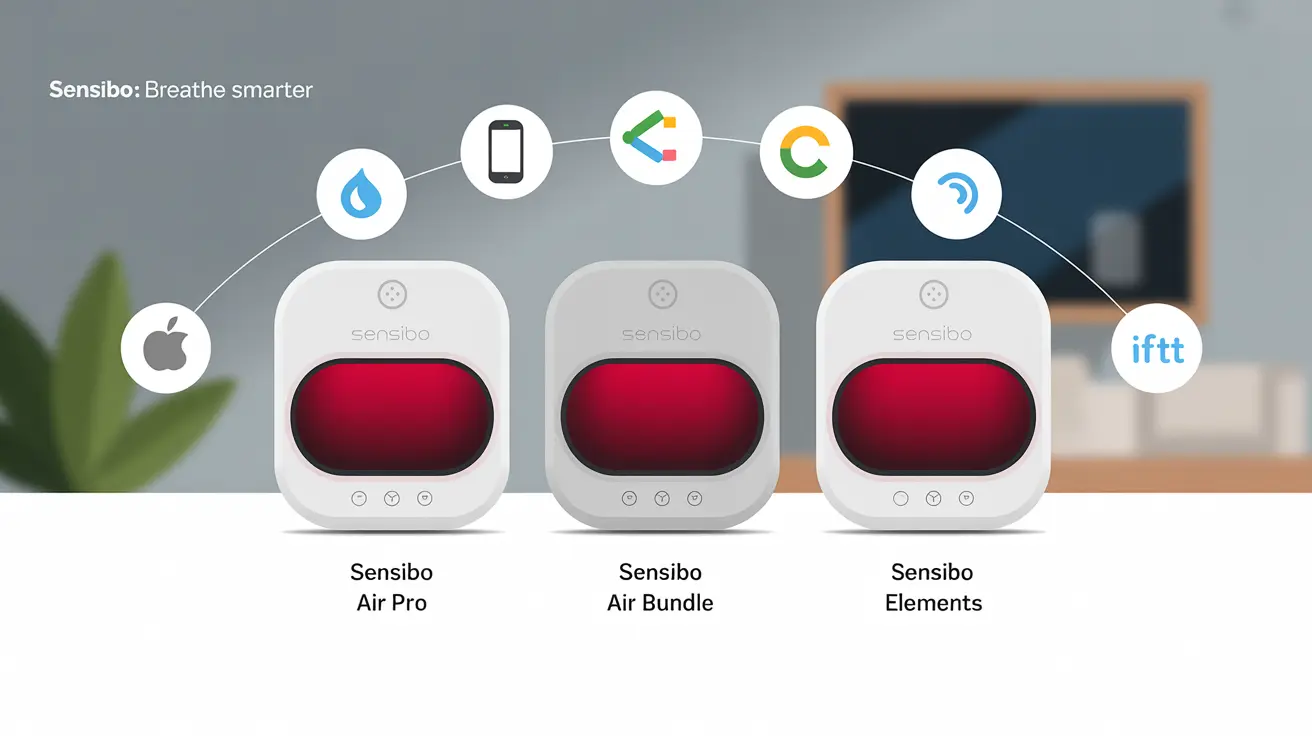

Microclimate under Control: How Simple Monitoring Turns into a Tool for Optimizing Operating Costs
In the world of business, where every penny counts, effective cost management becomes the key to success and competitiveness. One often underestimated but critical factor that affects these costs is the microclimate in your premises. From warehouses and production workshops to offices and stores - temperature, humidity, and air quality can significantly affect labor productivity, preservation of goods and equipment, as well as overall operating costs. Without proper monitoring and control, these costs can get out of hand, undermining the profitability of your business.
Why It's Difficult to Manage Costs Without Microclimate Monitoring
The lack of a microclimate monitoring system is like driving a car blindfolded. You don't know which direction you're going, what obstacles are in the way, and whether you have enough fuel. Similarly, without accurate data on temperature, humidity, and other parameters, you cannot make informed decisions about managing climate control systems and optimizing energy consumption.
Inefficient Energy Use
Without monitoring, heating, ventilation, and air conditioning (HVAC) operate on guesswork. Overheating or overcooling premises leads to excessive energy consumption, increasing your electricity bills. You may be heating or cooling premises when it's not needed, or maintaining the temperature at a suboptimal level.
Spoilage of Goods and Equipment
In warehouses and production facilities, improper humidity control can lead to spoilage of goods, corrosion of equipment, and other problems. This is especially true for the food industry, pharmaceuticals, and other industries with strict storage requirements. Losses from spoiled goods can be significant, and the cost of replacing damaged equipment can be considerable.
Reduced Labor Productivity
Uncomfortable working conditions, such as excessive heat, cold, or high humidity, negatively affect the well-being and productivity of employees. Tired and irritated employees make more mistakes, work slower, and take sick leave more often. This leads to a decrease in overall work efficiency and an increase in labor costs.
Health Risks
Extreme temperatures and high humidity can create a favorable environment for the growth of bacteria, fungi, and other harmful microorganisms. This increases the risk of diseases and infections among employees, leading to increased medical costs and sick leave payments.
Lack of Optimization Opportunities
Without microclimate data, you cannot identify problem areas and take measures to eliminate them. You don't know which premises need more heating or cooling, where there are ventilation problems, and how to improve storage conditions for goods. This makes it impossible to optimize climate control systems and reduce costs.
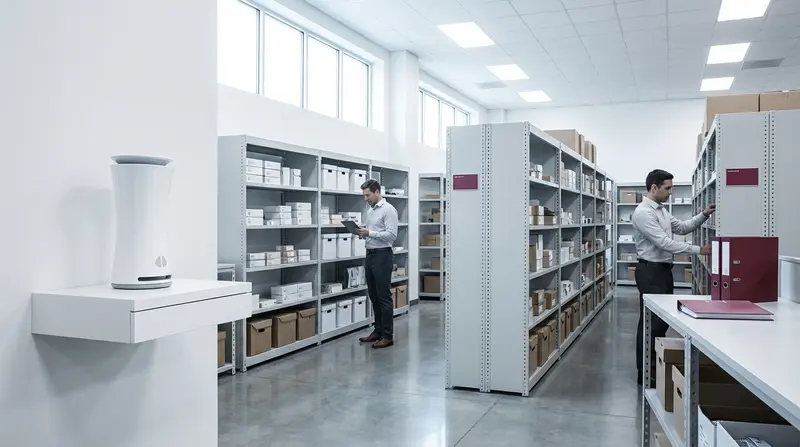
Microclimate Monitoring: A Solution for Optimizing Costs
Implementing a microclimate monitoring system is an investment that quickly pays off through significant reductions in operating costs and increased work efficiency. Modern technologies allow you to collect and analyze data on temperature, humidity, air quality, and other parameters in real time, allowing you to make informed decisions and respond quickly to any changes.
What is a Microclimate Monitoring System?
A microclimate monitoring system consists of the following main components:
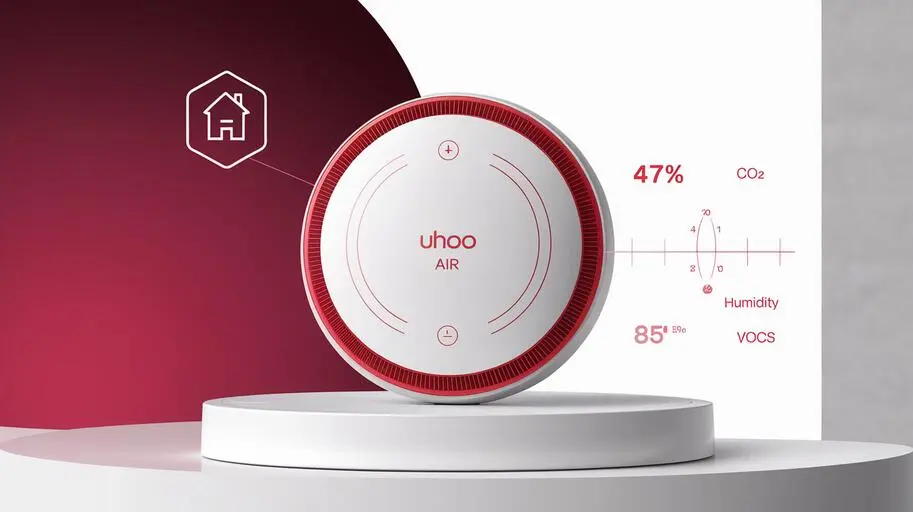
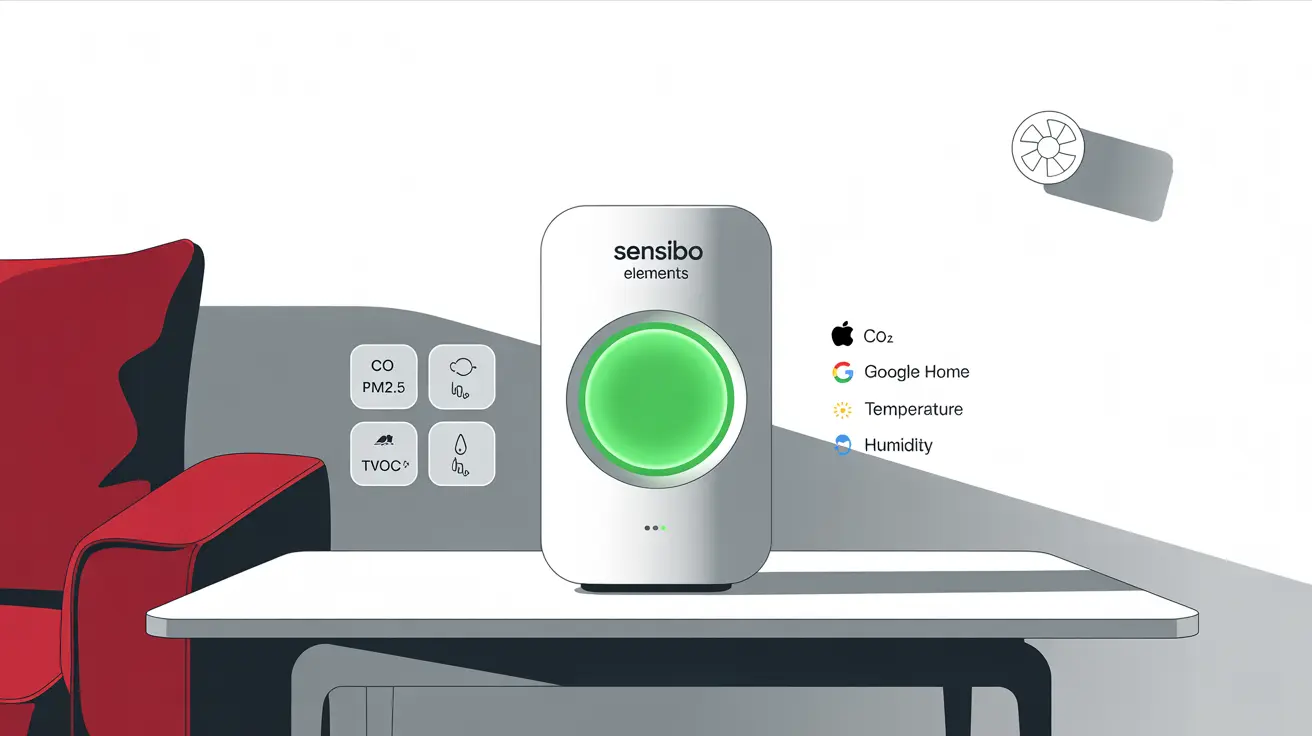
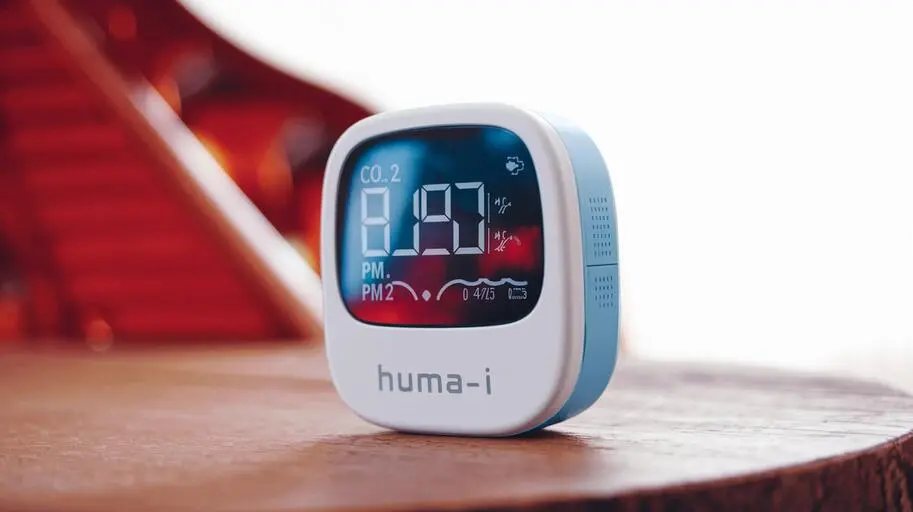
- Sensors: Temperature, humidity, CO2, light, and other parameter sensors are placed at various points in the room to collect data.
- Data transmission network: Data from sensors is transmitted over a wireless or wired network to a central controller.
- Central controller: The controller collects, processes, and stores data from sensors. It may also have climate control functions.
- Software: Software allows users to visualize data, set alarm thresholds, receive notifications of violations, and generate reports.
How Microclimate Monitoring Helps Optimize Costs
The microclimate monitoring system provides a range of opportunities for optimizing operating costs:
- Energy Efficiency: Monitoring allows you to identify areas with excessive energy consumption and optimize the operation of climate control systems. You can adjust heating, ventilation, and air conditioning depending on actual needs, not blind guesses. For example, you can lower the temperature at night or on weekends when there are no people in the room.
- Prevention of Product Spoilage: Monitoring humidity and temperature allows you to maintain optimal storage conditions for goods, preventing spoilage and losses. You can respond quickly to any deviations from the norm and take measures to eliminate them. For example, if the humidity in the warehouse increases, you can turn on a dehumidifier.
- Improving Labor Productivity: Monitoring allows you to maintain comfortable working conditions, which increases the well-being and productivity of employees. You can adjust climate control systems to ensure optimal temperature, humidity, and air quality in each room.
- Reducing Health Risks: Monitoring allows you to control the level of CO2 and other harmful substances in the air, which helps create a healthy working environment and reduces the risk of diseases. You can detect ventilation problems in time and take measures to solve them.
- Forecasting and Planning: The collected data can be used to predict energy needs and plan maintenance of climate control systems. This allows you to avoid unforeseen breakdowns and downtime, as well as optimize repair and maintenance costs.
Examples of Successful Implementation of Microclimate Monitoring
Many enterprises have already successfully implemented microclimate monitoring systems and received significant benefits. Here are a few examples:
- A large warehouse complex implemented a humidity and temperature monitoring system and reduced losses from product spoilage by 30%.
- A manufacturing enterprise installed a CO2 monitoring system and improved ventilation, which led to a 15% increase in labor productivity.
- An office building implemented an energy consumption monitoring system and optimized the operation of climate control systems, which allowed to reduce electricity bills by 20%.
Key Stages of Implementing a Microclimate Monitoring System
Implementing a microclimate monitoring system is an important step towards optimizing costs and improving the efficiency of your business. For successful implementation, you must adhere to the following steps:
Needs Analysis and Goal Setting
Before proceeding with the implementation of the monitoring system, it is necessary to clearly define your needs and goals. What do you want to achieve with monitoring? Which microclimate parameters are most important to you? What budget are you willing to allocate to the project? Answers to these questions will help you choose the optimal solution and avoid unnecessary costs.
Selection of Equipment and Software
A wide range of equipment and software for microclimate monitoring is available on the market. When choosing, consider the following factors:
- Accuracy and Reliability of Sensors: Sensors must provide accurate and reliable measurements.
- Ease of Installation and Use: The system should be easy to install and simple to use.
- Scalability: The system should be scalable so you can easily add new sensors and features in the future.
- Compatibility: The system should be compatible with your existing building management systems.
- Cost: The cost of the system should fit your budget.
Installation and Configuration of the System
After selecting equipment and software, you need to install and configure the system. This may include installing sensors, configuring the data transmission network, and configuring the software. It is recommended to contact professionals to perform these tasks.
Staff Training
It is important to train staff to use the monitoring system and respond to any violations. Staff should know how to visualize data, set alarm thresholds, receive notifications of violations, and generate reports.
Monitoring and Data Analysis
After implementing the monitoring system, it is necessary to regularly monitor and analyze the data. This will allow you to identify problem areas, optimize the operation of climate control systems, and reduce costs. It is important to set alarm thresholds for various microclimate parameters and respond to any deviations from the norm. For example, if the temperature in the warehouse rises above a set threshold, the system should automatically send a message to the responsible persons.
Optimization and Improvement
The microclimate monitoring system is not a static project, but a continuous process of optimization and improvement. Regularly analyze data, identify new opportunities for saving energy and increasing efficiency, and make appropriate changes to the system settings.
Conclusion: An Investment in the Future of Your Business
Implementing a microclimate monitoring system is a strategic investment that will help you reduce operating costs, increase work efficiency, and create comfortable conditions for your employees. Without monitoring, you remain in the dark, not knowing how to manage climate control systems and optimize energy consumption. With monitoring, you get accurate data and tools needed to make informed decisions and achieve significant results. Don't let climate costs control your business - take control with modern microclimate monitoring technologies.
Frequently Asked Questions About Microclimate: Cost Savings You Didn't Know About
Why is it important to control the microclimate in premises?
Microclimate control (temperature, humidity, air quality) affects labor productivity, preservation of goods, equipment condition, and operating expenses. Lack of control can lead to inefficient energy use and property damage.
What are the consequences of the absence of microclimate monitoring?
The absence of monitoring leads to inefficient energy use, spoilage of goods, reduced labor productivity, health risks for employees, and the inability to optimize climate systems.
What is a microclimate monitoring system?
A microclimate monitoring system consists of sensors, a data transmission network, a central controller, and software for collecting, processing, and analyzing data on the microclimate in the premises.
How does microclimate monitoring help optimize costs?
Microclimate monitoring allows you to optimize energy consumption, prevent spoilage of goods, increase labor productivity, reduce health risks, and predict energy needs for maintenance planning.
What are the main stages of implementing a microclimate monitoring system?
Implementation stages include: analyzing needs and defining goals, selecting equipment and software, installing and configuring the system, training personnel, monitoring and analyzing data, optimizing and improving.
What factors should be considered when choosing equipment for microclimate monitoring?
It is important to consider the accuracy and reliability of sensors, ease of installation and use, system scalability, compatibility with existing building management systems, and equipment cost.