
Why Do You Feel Exhausted After Meetings? The Secret Lies in CO₂!
Imagine: an hour-long meeting has ended, and you feel like you've been unloading wagons of coal. Your head is heavy, your concentration is gone, and your only desire is to drink coffee and hide from the world. Does this situation sound familiar? The reason may not be the complexity of the issues discussed, but the quality of the air you were breathing throughout the meeting. Namely - the elevated level of CO₂ in the room.
CO₂: The Invisible Enemy of Productivity
We are used to thinking of CO₂ as something emitted by cars and industrial enterprises. However, it is constantly released by ourselves during breathing. In the open air, the concentration of CO₂ is usually around 400 ppm (parts per million). In a well-ventilated room, this figure may increase slightly. But in a closed conference room, where several people gather, the level of CO₂ rises rapidly.
What Happens When CO₂ Levels Rise?
- Reduced Cognitive Function. Studies show that even at a level of CO₂ of 1000 ppm, cognitive functions begin to deteriorate: the ability to concentrate, make decisions, and think critically.
- Fatigue and Drowsiness. Elevated CO₂ can cause fatigue, headaches, and drowsiness. This happens because the body tries to compensate for the lack of oxygen.
- Decreased Productivity. Tired and inattentive employees cannot work efficiently. This leads to decreased productivity and an increase in the number of errors.
- Spread of Infections. In poorly ventilated rooms, the risk of airborne infections increases.
Why Do Conference Rooms Become "Traps" for CO₂?
Several factors contribute to the increase in CO₂ levels in conference rooms:
- Insufficient Ventilation. Many office premises have an insufficient ventilation system or it is working inefficiently. This leads to the accumulation of CO₂.
- Large Number of People. Conference rooms usually gather a large number of people, which increases CO₂ emissions.
- Closed Windows and Doors. In order to ensure confidentiality or save heat, windows and doors in conference rooms often remain closed, which hinders natural ventilation.
- Long Meetings. The longer the meeting lasts, the higher the level of CO₂ manages to accumulate in the room.
How to Combat Elevated CO₂ Levels in Conference Rooms?
Fortunately, there are several simple but effective ways to improve air quality in conference rooms and minimize the negative impact of CO₂.
Effective Ventilation - Key to Success
The most important step is to ensure proper ventilation of the room. There are several ways to achieve this:
- Regular Ventilation. Open windows and doors between meetings to provide a flow of fresh air. Even a short period of time can significantly reduce the level of CO₂.
- Using the Ventilation System. Make sure the building's ventilation system is working properly and being regularly maintained. Check the filters and ensure sufficient power for air exchange.
- Installing Recuperators. Recuperators are devices that provide a flow of fresh air while conserving heat. They are especially useful in the cold season when opening windows is not very comfortable.
- Using Air Purifiers with a CO₂ Filter. Such devices are able to not only purify the air from dust and allergens, but also reduce the level of CO₂.
How to Check the Effectiveness of Ventilation?
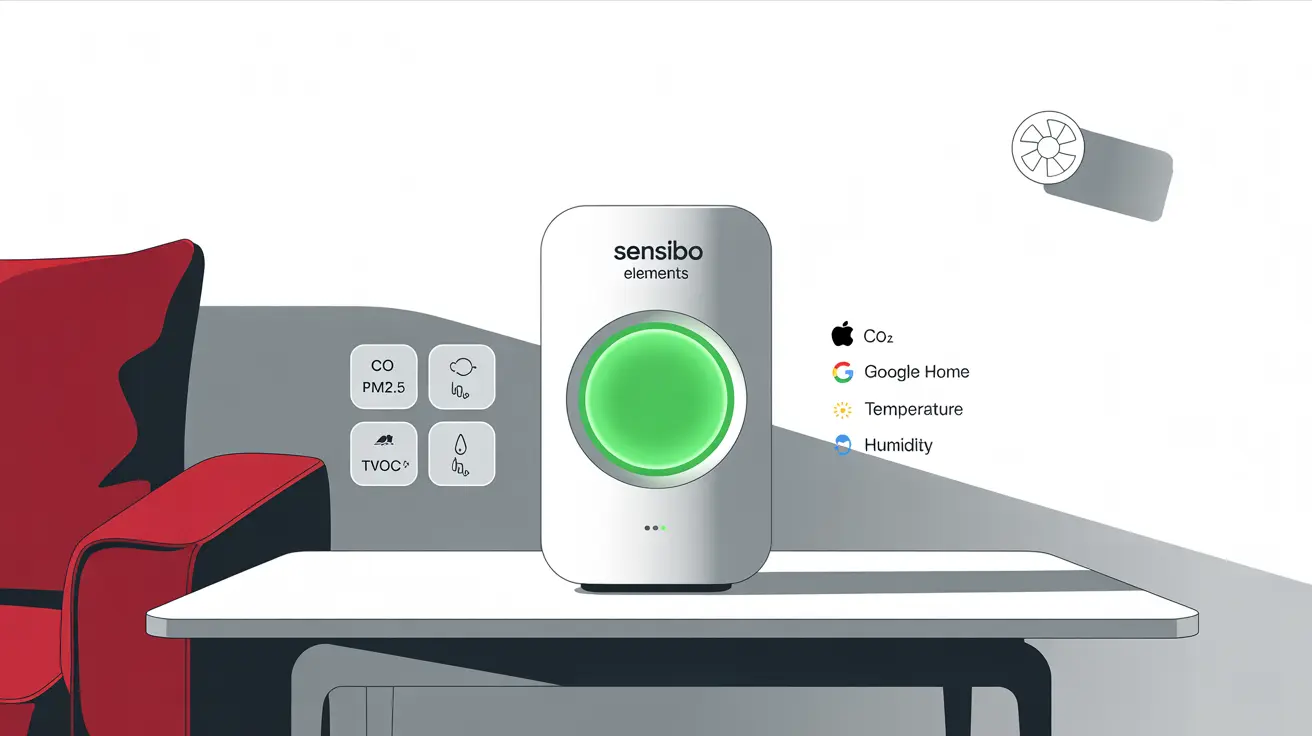
To assess the effectiveness of ventilation, you can use special devices - CO₂ sensors. They show the level of CO₂ in the room in real time. A level below 800 ppm is considered optimal. If the indicator exceeds 1000 ppm, measures should be taken to improve ventilation.
Optimizing Room Usage
In addition to ventilation, it is important to consider the number of people in the room and the duration of meetings:
- Limiting the Number of Participants. Try not to gather too many people in a small conference room. If possible, move some of the meetings to more spacious rooms or conduct them online.
- Reducing the Duration of Meetings. The shorter the meeting, the less CO₂ accumulates in the room. Try to conduct meetings as efficiently as possible, clearly defining the purpose and agenda.
- Regular Breaks. Take short breaks during long meetings to ventilate the room and give participants the opportunity to stretch and breathe fresh air.

Alternative Solutions
If the possibilities to improve ventilation or optimize the use of the room are limited, you can consider alternative solutions:
- Using Houseplants. Some houseplants are able to absorb CO₂ and release oxygen. Although their impact on the level of CO₂ is small, they can improve air quality and create a more pleasant atmosphere.
- Using Personal Fans. Personal fans can improve air circulation around meeting participants and reduce the feeling of stuffiness.
- Moving Meetings Outdoors. If the weather permits, hold meetings outdoors. This will ensure a constant flow of fresh air and positively affect productivity.
CO₂ Monitoring: Key to a Healthy Office Environment
Regular monitoring of the level of CO₂ is an important step towards creating a healthy and productive office environment. This allows not only to control the air quality in conference rooms, but also to detect problems with ventilation in time and take the necessary measures.
Choosing a CO₂ Sensor
The market offers a wide selection of CO₂ sensors, from simple portable devices to complex stationary systems. When choosing a sensor, the following factors should be considered:
- Measurement Accuracy. It is important that the sensor provides accurate and reliable measurements of the level of CO₂.
- Measurement Range. The sensor must have a sufficient measurement range to cover the entire spectrum of possible levels of CO₂ in the room.
- Functionality. Some sensors have additional functions, such as displaying air temperature and humidity, as well as the ability to connect to a "smart home" system.
- Ease of Use. The sensor should be easy to use and have a clear display for displaying data.
- Price. The cost of CO₂ sensors can vary significantly. You should choose a device that fits your budget and needs.
Placement of the CO₂ Sensor
Proper placement of the CO₂ sensor is important for obtaining accurate and objective data. It is recommended to place the sensor at the height of human breathing (about 1.5 meters from the floor) and away from sources of heat and drafts.
Regular Data Recording
To obtain a complete picture of the level of CO₂ in the conference room, it is recommended to regularly record data from the sensor. This will allow you to identify trends, establish peak values, and assess the effectiveness of measures taken to improve ventilation.
Conclusion: Healthy Air - Key to Successful Meetings
Elevated levels of CO₂ in conference rooms is a serious problem that can negatively affect the concentration, productivity, and overall well-being of employees. Thanks to simple and effective measures, such as proper ventilation, limiting the number of participants, and regularly monitoring the level of CO₂, you can create a healthy and comfortable office environment where meetings will be beneficial and enjoyable.
Frequently Asked Questions about Why Are People Tired After Meetings? The Secret is Elevated CO₂!
Why do I feel exhausted after a meeting, even if it wasn't very long?
Elevated CO₂ levels in the meeting room can lead to decreased concentration, fatigue, and headaches, even if the meeting only lasted an hour.
What level of CO₂ is considered normal in a room?
In the open air, the CO₂ concentration is around 400 ppm. In a room, the optimal level is below 800 ppm. If the indicator exceeds 1000 ppm, ventilation needs to be improved.
How does elevated CO₂ affect productivity?
Elevated CO₂ impairs cognitive functions such as concentration and decision-making, causes fatigue and drowsiness, leading to decreased work productivity.
What are some ways to improve air quality in a meeting room?
Regular ventilation, use of a ventilation system, installation of recuperators, and use of air purifiers with a CO₂ filter will help improve air quality.
How can I measure the CO₂ level in a room?
Special CO₂ sensors are used to measure CO₂ levels. They show the concentration of carbon dioxide in real-time.
Besides ventilation, what else can be done to reduce the impact of CO₂ in meetings?
Limit the number of participants, shorten meeting durations, take regular breaks to ventilate the room, use indoor plants, and personal fans.