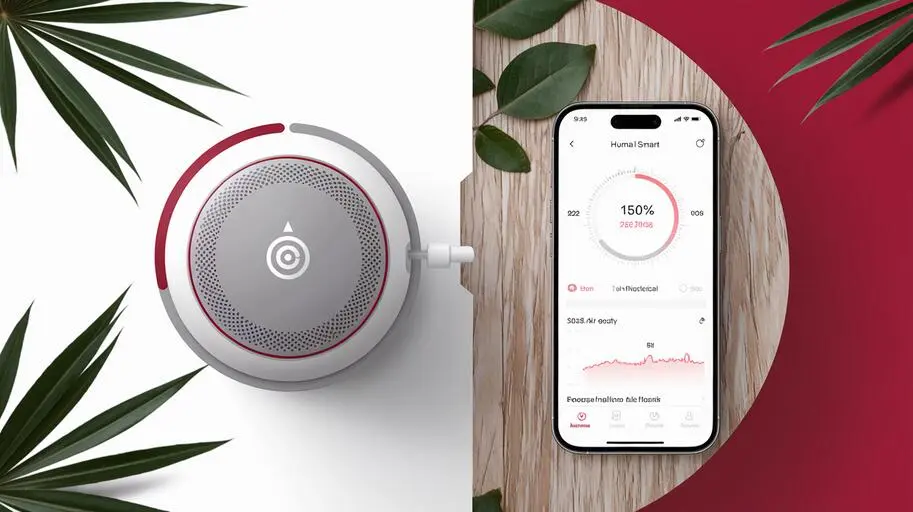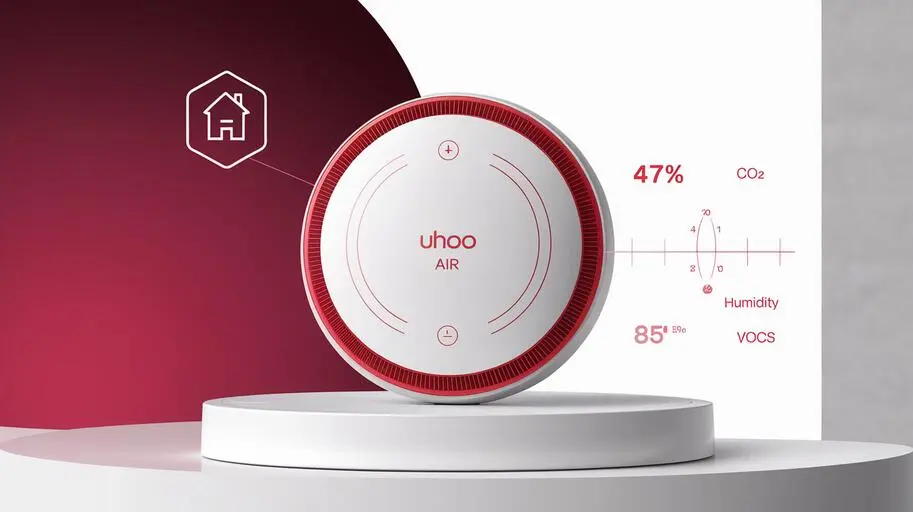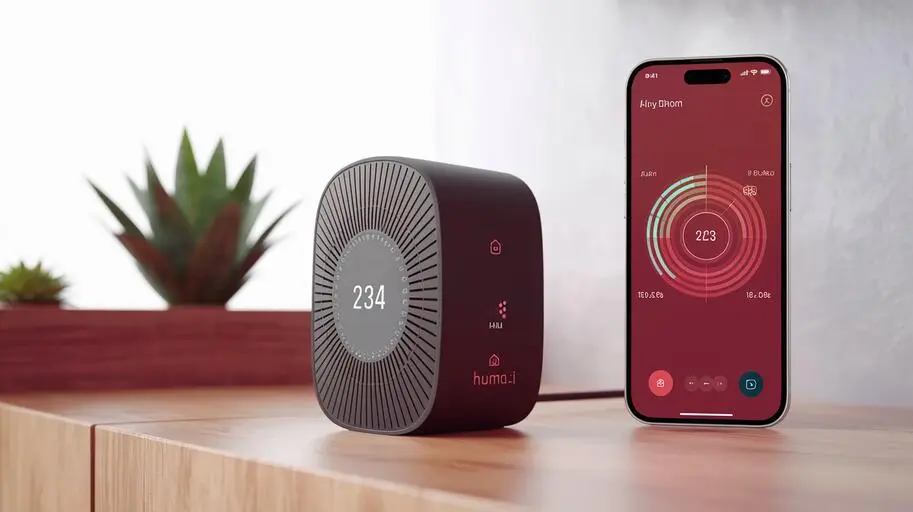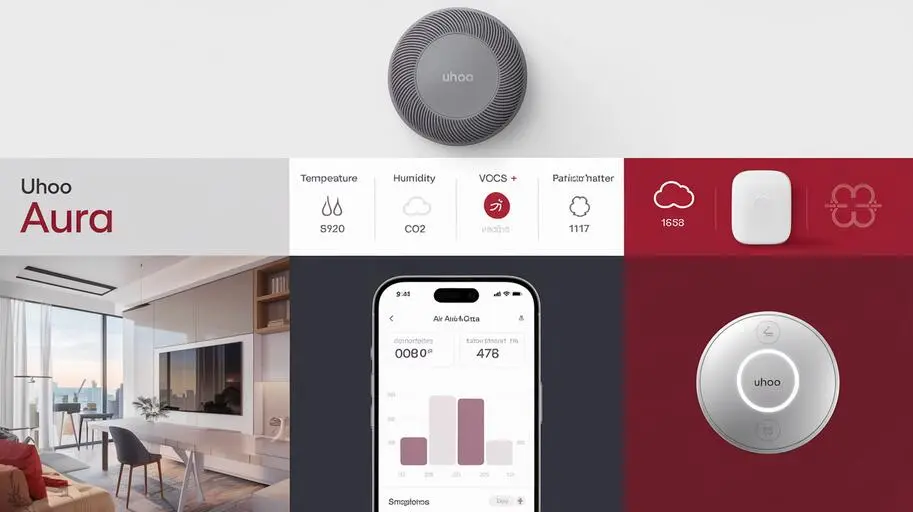

The Problem of Inefficient HVAC Systems Without Air Quality Monitoring: HVAC Operates "Blindly"
In an era of increasing demands for energy efficiency and indoor environmental comfort, HVAC systems play a key role. However, they often operate in a mode that can be characterized as "blind," without proper control over IAQ (Indoor Air Quality). This leads to a number of serious problems, ranging from increased energy consumption to the deterioration of people's health and productivity within the premises.
Why HVAC Systems Operate "Blindly"?
The main reason lies in the absence or insufficiency of integrated air quality monitoring systems. Traditional HVAC systems are often based on simple algorithms for maintaining temperature and humidity, without taking into account other critical parameters such as carbon dioxide concentration (CO2), volatile organic compounds (VOC), particulate matter (PM2.5 andPM10) and other pollutants.
Consequences of "Blind" HVAC Operation
- Reduced Energy Efficiency: Systems continue to operate at full power, even when it's not necessary, leading to excessive electricity costs.
- Deteriorating IAQ: Lack of control over harmful substances can lead to their accumulation in the premises, causing allergies, respiratory diseases, and other health problems.
- Reduced Productivity: Poor IAQ can cause fatigue, headaches, and other symptoms that negatively affect concentration and work capacity.
- Difficulty in Optimization: Without data on the actual state of air in the premises, it is difficult to determine the optimal HVAC system settings and prove the effectiveness of the changes made.
- Risk of Regulatory Violations: Many countries have regulations regarding IAQ, and the absence of monitoring can lead to their violation.
Methods for Solving the Problem of "Blind" HVAC Operation
To solve this problem, it is necessary to integrate IAQ monitoring systems into HVAC systems. This will allow obtaining real-time data on the state of air in the premises and automatically adapt the system's operation to ensure optimal IAQ and energy efficiency.
Integration of IAQ Sensors
The first step is to install sensors that can measure key IAQ parameters:
- Temperature and Humidity: Basic parameters that affect comfort and energy consumption.
- CO2 Concentration: An indicator of ventilation efficiency. Elevated CO2 levels indicate insufficient fresh air supply.
- VOC Concentration: Shows the presence of harmful chemicals in the air, released from furniture, building materials, paints, and other sources.
- Particulate Matter Concentration (PM2.5 and PM10): Reflects the level of air pollution by dust, smoke, and other fine particles that can penetrate the lungs and cause respiratory diseases.
- Other Pollutants: Depending on the specifics of the premises and production processes, sensors may be needed to measure the concentration of other pollutants, such as radon, formaldehyde, ammonia, etc.
Types of IAQ Sensors
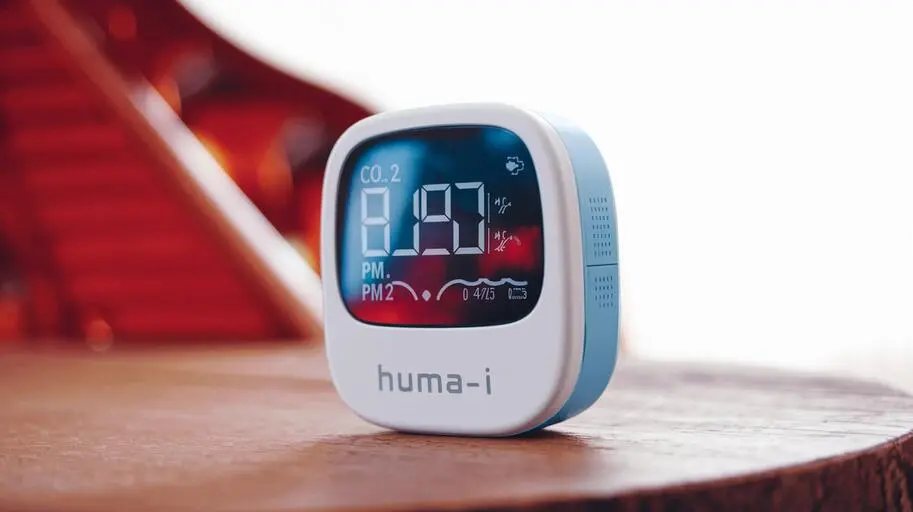
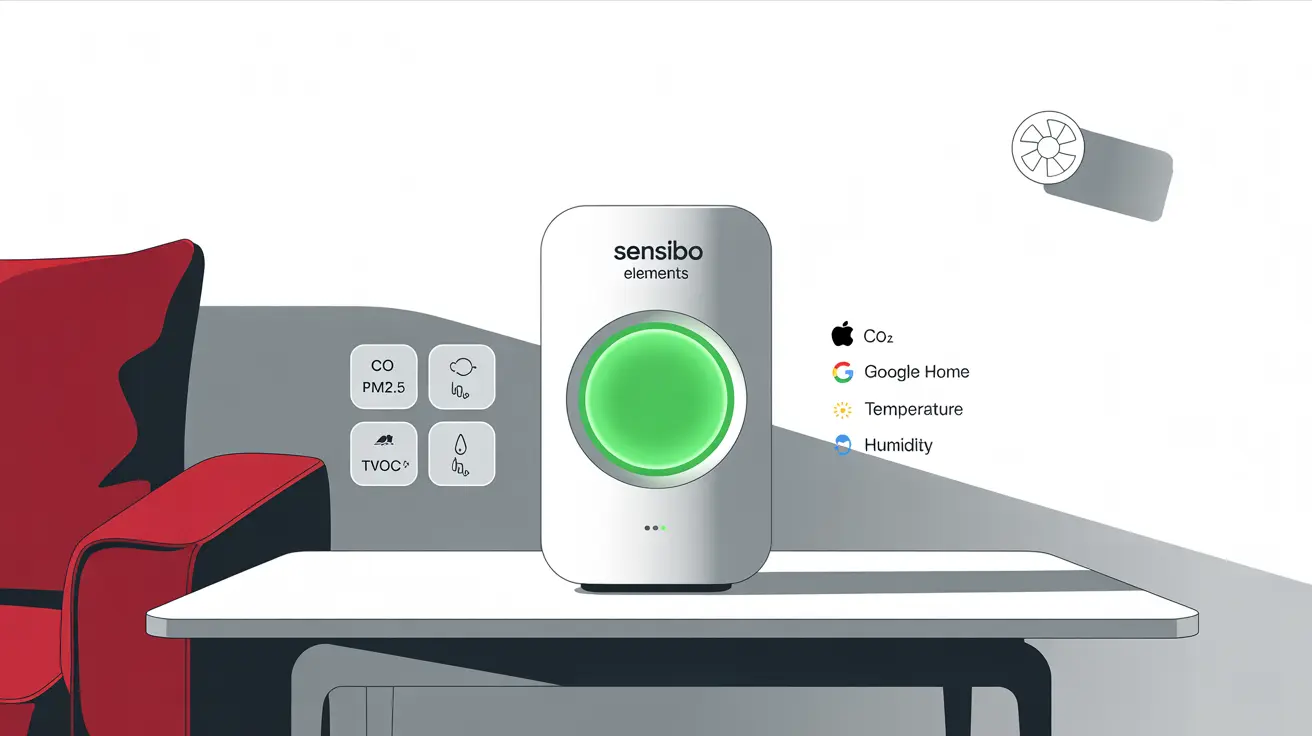
- Standalone Sensors: Independent devices that measure IAQ parameters and display them on a screen or transmit data wirelessly.
- Integrated Sensors: Sensors integrated directly into the HVAC system or building management system (BMS).
- Networked Sensors: Sensors connected in a network for centralized monitoring and management.
Management and Automation Systems
After receiving data from IAQ sensors, it is necessary to process them and use them to manage the HVAC system. This is possible using specialized management and automation systems.
Functionality of HVAC Management Systems
- Data Collection and Processing: Collecting data from IAQ sensors in real-time, processing and storing it.
- Data Visualization: Displaying data in the form of graphs, charts, and reports for easy analysis.
- Automatic HVAC Control: Automatic adaptation of the HVAC system based on IAQ data.
- Alarm Notifications: Sending notifications if established IAQ values are exceeded.
- Integration with Other Systems: Integration with BMS, fire alarm systems, access control, and other building systems.
- Remote Control: The ability to remotely monitor and manage the HVAC system via the internet.
IAQ-Based HVAC Control Algorithms
Management systems can use various algorithms to adapt the operation of the HVAC system based on IAQ data. Some of the most common:
- Ventilation Control by CO2 Level: Increasing ventilation intensity when the CO2 level rises to ensure sufficient fresh air supply.
- Filtration Control by PM2.5 and PM10 Level: Increasing filtration efficiency when the level of particulate matter rises to purify the air.
- Humidity Control to Prevent Mold Growth: Maintaining an optimal humidity level to prevent the growth of mold and other microorganisms.
- Energy Saving by Optimizing Ventilation: Reducing the intensity of ventilation at low levels of air pollution to reduce energy consumption.
- Personalized Microclimate Control: Adjusting the HVAC system parameters for different zones of the premises, taking into account the individual needs of the occupants.
Benefits of IAQ Monitoring for HVAC
Integrating IAQ monitoring systems into HVAC systems provides a number of significant benefits:
- Increased Energy Efficiency: Optimizing system operation based on IAQ data can significantly reduce energy consumption.
- Improved IAQ: Controlling pollutants allows maintaining high air quality in the premises, which positively affects the health and productivity of people.
- Increased Equipment Lifespan: Optimal HVAC system settings reduce equipment wear and increase its service life.
- Reduced Maintenance Costs: Early detection of IAQ problems can prevent more serious equipment damage and reduce maintenance costs.
- Compliance with Regulatory Requirements: IAQ monitoring allows ensuring compliance with regulatory requirements regarding air quality in the premises.
- Increased Comfort: Maintaining optimal microclimate parameters increases the comfort of being in the premises.
- Proving Results: Air quality monitoring provides objective data on the effectiveness of the HVAC system, allowing to prove the results of modernization or optimization.
- Personalized Control: Ability to customize the microclimate in individual areas, taking into account the needs of users.
Implementation Examples
Let's consider several examples of implementing IAQ monitoring systems in HVAC systems:
- Office Buildings: In office buildings, management systems can automatically increase the intensity of ventilation in conference rooms during meetings, when the CO2 level rises sharply. You can also adjust the temperature depending on the number of people in each office space, which will reduce electricity costs, especially during non-working hours.
- Schools and Kindergartens: In schools and kindergartens, it is especially important to maintain high air quality, as children are more sensitive to pollutants. Management systems automatically adjust ventilation and air filtration to provide a healthy environment for learning and development.
- Hospitals: In hospitals, where patients with weakened immune systems are located, it is necessary to ensure sterile air. Management systems can control the concentration of microorganisms and other pollutants, as well as automatically adjust the operation of air filtration and disinfection systems.
- Industrial Enterprises: In industrial enterprises, where harmful chemicals may be present in the air, it is necessary to ensure continuous IAQ monitoring. Management systems can automatically turn on emergency ventilation and notify personnel in case of detection of dangerous concentrations of pollutants.
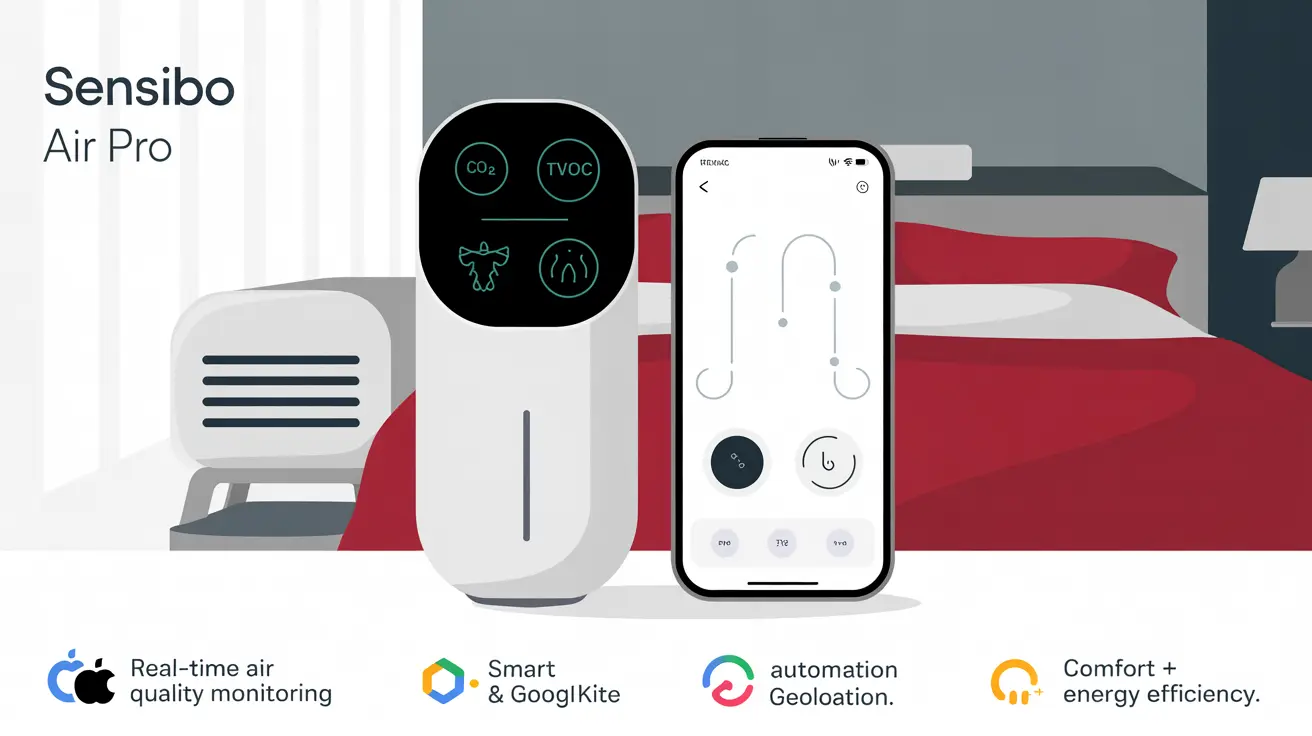
- Residential Buildings: In residential buildings, management systems can automatically adjust ventilation depending on the CO2 level measured in bedrooms and living rooms. You can also integrate management systems with smart home systems so that users can control air quality and adjust HVAC system parameters from their smartphones.

IAQ Monitoring Implementation: Practical Steps
Implementing an IAQ monitoring system is a process that requires careful planning and phased implementation. Here are some practical steps to help engineers and building owners successfully integrate IAQ monitoring into existing or new HVAC systems.
Step 1: Audit and Assessment
- Analysis of the Current State: Evaluate the current HVAC system, its efficiency, and existing air quality control mechanisms.
- Setting Goals: Clearly define the goals of implementing IAQ monitoring. This may be improving energy efficiency, ensuring occupant comfort, meeting air quality standards, or improving employee productivity.
- Risk Assessment: Conduct a risk analysis to identify potential sources of air pollution, allergens, and other factors that may affect IAQ.
- Requirements Definition: Determine the necessary IAQ monitoring parameters, such as temperature, humidity, CO2, VOC, particulate matter (PM2.5, PM10), and others, according to the type of building and its purpose.
Step 2: Equipment and Technology Selection
- Selection of IAQ Sensors: Select appropriate IAQ sensors, taking into account the requirements for accuracy, reliability, and durability. It is important to consider the operating conditions and compatibility with the existing HVAC system or BMS.
- Selection of Management System: Select an HVAC management system that provides real-time IAQ data collection, processing, and analysis, as well as automatic HVAC system control based on the data obtained. Ensure that the system has data visualization, alarm notification, and integration capabilities with other building systems.
- Selection of Communication Protocols: Determine communication protocols for data transmission between IAQ sensors and the management system (e.g., Modbus, BACnet, WiFi, Zigbee).
- Selection of Suppliers: Select reliable equipment and software suppliers who have experience in implementing IAQ monitoring projects and provide technical support.
Step 3: Design and Installation
- Sensor Placement: Develop a plan for placing IAQ sensors in the room. It is important to consider the ventilation features, the location of pollution sources, and typical traffic patterns. Sensors should be installed in locations where they can provide representative measurements of IAQ.
- Equipment Installation: Ensure professional installation of IAQ sensors, the management system, and other equipment. Make sure all connections are made correctly and the equipment is configured according to the manufacturer's specifications.
- System Setup: Configure the HVAC management system to collect and process IAQ data. Set threshold values for various IAQ parameters and define rules for automatic HVAC system response when these values are exceeded.
- Integration with Existing Systems: Ensure integration of the IAQ monitoring system with existing building systems, such as BMS, fire alarm, access control, and others.
Step 4: Testing and Adjustment
- System Testing: Perform comprehensive testing of the IAQ monitoring system to ensure that all sensors are working correctly, data is collected and processed correctly, and automatic HVAC system control is performed according to the specified rules.
- System Adjustment: Perform system tuning based on test results. Adjust threshold values, control rules, and other parameters to achieve optimal HVAC system performance and ensure high air quality.
- Staff Training: Train personnel responsible for operating and maintaining the HVAC system on how to work with the IAQ monitoring system, analyze data, respond to alarms, and take the necessary actions to maintain IAQ within the norm.
Step 5: Monitoring and Maintenance
- Regular Monitoring: Ensure regular monitoring of IAQ data to identify and eliminate problems in a timely manner. Analyze IAQ parameter trends and take measures to prevent air quality deterioration.
- Technical Maintenance: Perform regular technical maintenance of IAQ sensors, the management system, and other equipment. Check the accuracy of sensor measurements, clean them from dust and dirt, replace batteries, and perform other necessary actions to maintain their operability.
- Sensor Calibration: Regularly calibrate IAQ sensors according to the manufacturer's recommendations. Calibration ensures measurement accuracy and data reliability.
- Software Updates: Timely update the HVAC management system software to gain access to new features, security enhancements, and bug fixes.
- System Optimization: Constantly analyze IAQ data and improve HVAC system control algorithms to achieve maximum energy efficiency and ensure a comfortable and healthy indoor environment.
Conclusion
The problem of inefficient HVAC systems operating "blindly" without air quality monitoring is relevant and requires a comprehensive solution. Integrating IAQ monitoring systems into HVAC systems can significantly increase their energy efficiency, improve air quality in the premises, increase equipment lifespan, and ensure compliance with regulatory requirements. Implementing IAQ monitoring is an investment in the health, comfort, and productivity of people, as well as in a sustainable future for our planet.
Frequently Asked Questions About Inefficient HVAC Systems Without Air Quality Monitoring
Why do HVAC systems often operate inefficiently, especially without air quality monitoring?
HVAC systems often operate "blindly," based solely on maintaining temperature and humidity, ignoring other critical air quality (IAQ) parameters such as CO2, VOCs, PM2.5/PM10. This leads to excessive energy consumption and deterioration of IAQ.
What are the main consequences of operating an HVAC system "blindly" without air quality control?
Operating an HVAC system without IAQ monitoring can lead to decreased energy efficiency, worsened air quality, reduced people's productivity, difficulty in optimizing the system, and the risk of violating regulatory requirements for air quality.
What key air quality (IAQ) parameters should be measured for effective HVAC system operation?
For effective IAQ monitoring, temperature, humidity, CO2 concentration, VOCs, particulate matter (PM2.5 and PM10), as well as other specific pollutants depending on the needs of the room, should be measured.
What types of IAQ sensors exist for monitoring indoor air quality?
There are standalone sensors, integrated sensors (built into HVAC or BMS), and networked sensors, connected in a network for centralized monitoring and management.
How can HVAC control systems use IAQ monitoring data to optimize operation?
HVAC control systems can collect and process IAQ data in real-time, visualize it, automatically adapt the system's operation based on this data, send alarm notifications, and integrate with other building systems to optimize ventilation, filtration, and energy consumption.
What are the main benefits of integrating IAQ monitoring systems into HVAC systems?
Integrating IAQ monitoring into HVAC systems allows for increased energy efficiency, improved air quality, extended equipment lifespan, reduced maintenance costs, compliance with regulatory requirements, increased comfort, and proof of modernization results.