
Why a Modern Office Can No Longer Afford "Just an Air Conditioner": A New Standard for Microclimate Management for Business
Business owners and office managers are increasingly asking: is a regular air conditioner enough for the comfort and productivity of employees? The answer is obvious - no. Modern requirements for the workspace are much higher than just cooling the air. Today, it's about creating an optimal microclimate, which directly affects health, concentration, and, as a result, the success of the business as a whole. Creating a comfortable working environment is an investment in human capital that will definitely pay off.
The Problem of "Just an Air Conditioner"
A traditional air conditioner typically performs only one function - it lowers the air temperature. But this is just one of many factors that affect comfort. Consider the main disadvantages:
- Insufficient humidity control. Dry air, especially in winter, causes discomfort, dries out mucous membranes, making the body more vulnerable to viruses and bacteria. In humid climates, excess moisture can promote the growth of mold and fungus.
- Lack of air filtration. Ordinary air conditioners often do not have sufficiently effective filters to retain dust, allergens, harmful gases, and other pollutants. This is especially important for offices located in large cities with high levels of air pollution .
- Uneven temperature distribution. Cold air from the air conditioner often concentrates in one zone, leaving other parts of the office warm. This creates discomfort for employees who are in different locations.
- Risk of hypothermia. Prolonged exposure to direct cold air can lead to colds and other illnesses.
- High noise level. Older air conditioner models can be very noisy, which negatively affects concentration and productivity.
- Lack of automation and control. Most conventional air conditioners do not have the ability to program and remotely control, which makes it difficult to maintain the optimal operating mode.
Why Doesn't "Just an Air Conditioner" Solve the Problem of Air Quality?
Even if your air conditioner has a filtration function, it is likely not able to effectively purify the air of all harmful impurities. The filters used in conventional air conditioners usually only trap large particles of dust and dirt. They cannot cope with fine dust (PM2.5), which is one of the most dangerous air pollutants, as well as bacteria, viruses, allergens, and harmful gases, such as formaldehyde and volatile organic compounds (VOCs), which are released from furniture, carpets, and office equipment. Therefore, installing only an air conditioner does not ensure proper air quality in the office.
A New Standard for Microclimate Management
A modern approach to microclimate management in the office involves a comprehensive system that takes into account all the factors that affect the comfort and health of employees. This is a combination of different technologies and solutions aimed at ensuring optimal temperature, humidity, air purity, and noise level. Let's consider the main components of such a system:
Modern Air Conditioning Systems
New generation inverter air conditioners are much more efficient and quieter than their predecessors. They are able to more accurately maintain the set temperature, save energy, and have advanced functions such as:
- Ionization mode. Saturates the air with negatively charged ions, which improve well-being and increase concentration.
- Self-cleaning function. Prevents the formation of mold and bacteria inside the air conditioner.
- Smart control. Allows you to program operating modes, adjust temperature and humidity remotely via smartphone or tablet.
Ventilation Systems with Heat Recovery
Ventilation is critical to ensuring fresh air in the office. Heat recovery systems save energy by using the heat of the exhaust air to heat the fresh air coming from the street. This is especially important in the cold season, when heating costs increase significantly.
Advantages of Ventilation with Heat Recovery:
- Providing a constant supply of fresh air.
- Removing polluted air, carbon dioxide, and excess moisture from the office.
- Reducing heating costs.
- Improving air quality in the office.
Air Purifiers with HEPA Filters and Carbon Filters
To ensure high air quality in the office, it is necessary to use air purifiers with high-efficiency HEPA (High-Efficiency Particulate Air) filters and carbon filters. HEPA filters can trap up to 99.97% of particles as small as 0.3 microns, including fine dust, allergens, bacteria, and viruses. Carbon filters absorb harmful gases, odors, and volatile organic compounds.
Types of Pollution that Air Purifiers Combat:
- Dust and dirt.
- Allergens (pollen, animal dander).
- Bacteria and viruses.
- Fine dust (PM2.5 and PM10).
- Harmful gases (formaldehyde, benzene).
- Unpleasant odors.
Air Humidification and Dehumidification Systems
Maintaining an optimal humidity level (40-60%) is an important factor in comfort and health. In winter, the air in the office often becomes too dry due to heating, which can lead to dry skin, mucous membranes, and an increased risk of disease. In summer, on the contrary, the air can be too humid, which promotes the growth of mold and fungus. Humidifiers and dehumidifiers are used to solve these problems.
Advantages of Using Humidifiers and Dehumidifiers:
- Maintaining an optimal humidity level.
- Improving well-being.
- Reducing the risk of disease.
- Preventing the growth of mold and fungus.
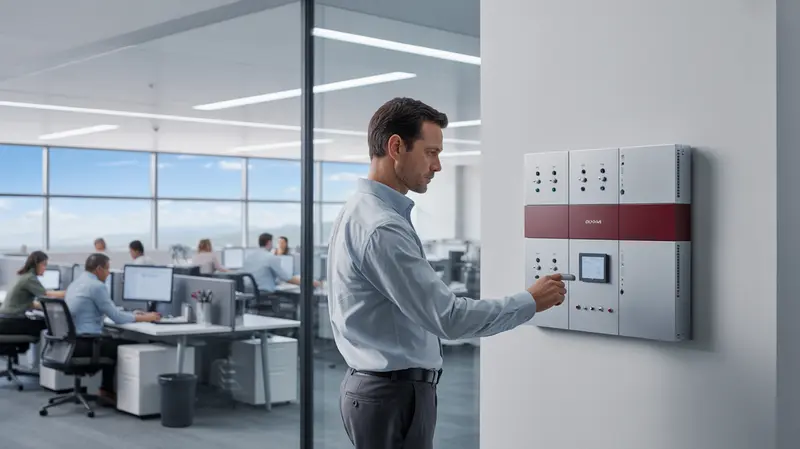
Microclimate Automation and Management Systems
Modern automation systems allow you to integrate all components of the microclimate management system into a single network and manage them centrally. This allows you to automatically maintain the set microclimate parameters, taking into account factors such as:
- Time of day.
- Number of people in the office.
- Weather conditions.
- Air pollution level.
Automation systems also allow you to remotely control the microclimate via the Internet, receive notifications about emergency situations, and track energy consumption statistics.
The Impact of Microclimate on Employee Productivity and Health
Insufficient attention to air quality and climate in the office can have serious consequences for the health and productivity of employees. Constant discomfort caused by unfavorable conditions reduces concentration, leads to fatigue, headaches, and increased illnesses. Studies show that a bad microclimate can reduce labor productivity by 10-20%.
The Impact of Temperature
Too high or too low a temperature can negatively affect concentration and cognitive abilities. The optimal temperature range for a working room is 22-24°C. Deviations from this range can lead to reduced productivity and increased errors.
The Impact of Humidity
Too dry air can lead to dry mucous membranes, which increases the risk of respiratory diseases. Too humid air promotes the growth of mold and fungus, which can cause allergic reactions and other health problems. The optimal humidity level in the office should be 40-60%.
The Impact of Air Quality
Polluted air can cause irritation of the respiratory tract, headaches, fatigue, and reduced concentration. Fine dust (PM2.5) is particularly dangerous because it can penetrate the lungs and blood and cause serious health problems. Clean air is critical to maintaining employee health and productivity.
The Impact of Noise
Excessive noise can negatively affect concentration, memory, and overall well-being. The optimal noise level in the office should not exceed 50-60 dB. Soundproofing materials, noise-canceling headphones, and other measures can be used to reduce the noise level.
Choosing the Optimal Solution for Your Office
The choice of a microclimate management system for your office depends on many factors, such as:
- Office size.
- Number of employees.
- Office location (terrain, air pollution level).
- Budget.
Before making a decision, it is necessary to carefully analyze all the factors and consult with specialists who will help you choose the optimal solution that meets your needs and budget. You should not save on the health and comfort of employees, because this is an investment in the future of your business.
Stages of Implementing a Microclimate Management System
- Audit of existing conditions. Conducting air analysis, measuring temperature, humidity, and noise level.
- Development of technical specifications. Defining the requirements for the microclimate management system based on the results of the audit.
- Equipment selection. Selection of equipment that meets the requirements of the technical specifications and budget.
- Installation and commissioning. Installation and configuration of equipment.
- Staff training. Training employees on the rules of operation of the microclimate management system.
- Technical maintenance. Regular maintenance of equipment to ensure its smooth operation.
Conclusions
A modern office cannot afford to be limited to just air conditioning. Creating an optimal microclimate is a necessary condition for ensuring the health, comfort, and productivity of employees. Investments in a microclimate management system are investments in human capital that will definitely pay off. Implementing a comprehensive system that includes modern air conditioning, ventilation, air purification, humidification and automation systems will create a comfortable and healthy working environment that will contribute to the success of your business.
Frequently Asked Questions about Why Air Conditioning Is No Longer Enough in the Office: Modern Microclimate
Why can't a modern office be limited to just air conditioning?
Modern requirements for work spaces are much higher than just cooling the air. Today, it's about creating an optimal microclimate that directly affects health, concentration, and, as a result, business success.
What are the main disadvantages of using only air conditioning in the office?
Insufficient humidity control, lack of effective air filtration, uneven temperature distribution, risk of overcooling, high noise levels and lack of automation.
What is included in the modern standard for microclimate management in the office?
The modern approach involves a comprehensive system that takes into account all the factors that affect the comfort and health of employees. This is a combination of modern air conditioning systems, ventilation with heat recovery, air purifiers with HEPA and carbon filters, air humidification and dehumidification systems, as well as automation systems.
How do ventilation systems with heat recovery help save energy?
Heat recovery systems use the heat of exhaust air to heat fresh air coming from the street. This is especially true in the cold season, when heating costs increase significantly.
What is the impact of the microclimate on the productivity and health of employees?
Insufficient attention to air quality and climate in the office can lead to decreased concentration, fatigue, headaches, and an increase in the number of diseases, which, in turn, reduces productivity.
What are the stages of implementing a microclimate management system in the office?
Audit of existing conditions, development of technical specifications, equipment selection, installation and commissioning, personnel training and technical maintenance.