
Is Monitoring CO₂ Enough for Employee Health?
In the pursuit of ensuring a healthy and productive work environment, heating, ventilation, and air conditioning (HVAC) engineers and facility managers often rely on monitoring carbon dioxide (CO₂) levels as a key indicator of indoor air quality. High CO₂ levels are believed to indicate poor ventilation and the potential accumulation of other pollutants. However, monitoring CO₂ alone can create a false sense of security and overlook other critical pollutants and factors affecting health, productivity, and even the company's reputation.
The Problem: CO₂ as an Indicator - It's Not All You Need
While CO₂ is a useful indicator of ventilation efficiency, it is not a comprehensive measure of air quality. It's like only watching the water level in a pool, ignoring the presence of chlorine, bacteria, and other contaminants. Here's why reliance on CO₂ as the sole parameter can be misleading:
- Ignoring Other Pollutants: CO₂ monitoring does not account for the presence of volatile organic compounds (VOCs), particulate matter (PM2.5 and PM10), formaldehyde, radon, biological pollutants (mold, bacteria, viruses), and many other potentially harmful substances.
- Failing to Account for Pollution Sources: Elevated CO₂ levels may be due to inadequate ventilation, but other pollutants may come from furniture, finishing materials, household chemicals, office equipment, and even from outside.
- Regional Differences: The background level of CO₂ in the atmosphere can vary significantly depending on the region and proximity to industrial areas or transport routes. Therefore, setting a universal threshold for CO₂ may not be practical.
- Uneven Distribution: Even if the overall CO₂ level in the room is acceptable, local areas with increased concentration may occur due to insufficient air mixing.
Why Does Ignoring Air Quality Cost You Dearly?
Inadequate air quality control can lead to a number of negative consequences for both employees and the company as a whole:
- Deteriorating Employee Health: Poor air can cause "sick building syndrome", which manifests as headaches, fatigue, eye and respiratory irritation, allergic reactions, and other ailments. In the long term, exposure to polluted air can lead to the development of serious diseases such as asthma, cardiovascular disease, and even cancer.
- Decreased Productivity: Even a slight deterioration in air quality can negatively affect concentration, cognitive function, and overall employee productivity. Tired and irritated employees cannot work to their full potential.
- Increased Sick Leave: Illnesses caused by poor air lead to increased sick leave, which causes financial losses to the company.
- Damage to the Company's Reputation: A company that cares about the health of its employees has a better image in the eyes of the public. Conversely, information about unsatisfactory air quality can damage the company's reputation and make it difficult to attract new talent.
- Legal Liability: Some countries have regulations regarding indoor air quality. Violations of these requirements may result in fines and other legal consequences.
Solution: A Comprehensive Approach to Air Quality Monitoring
To create a truly healthy and productive work environment, it is necessary to move from simple CO₂ monitoring to a comprehensive approach that takes into account a wide range of factors. This involves using more complex monitoring systems and accounting for various sources of pollution.

What Should You Monitor Besides CO₂?
Here is a list of key indicators to consider when assessing indoor air quality:
- Particulate Matter (PM2.5 and PM10): Microscopic particles that can penetrate deep into the lungs and cause respiratory diseases. Sources may include road traffic, industrial emissions, biomass combustion, and internal sources such as dust and particles from printers.
- Volatile Organic Compounds (VOCs): Chemicals that evaporate from various materials such as paints, adhesives, furniture, textiles, and household chemicals. Some VOCs may be carcinogenic or cause respiratory irritation.
- Formaldehyde: A particularly harmful VOC that is often found in building materials, furniture, and textiles. Even low concentrations of formaldehyde can cause irritation of the eyes, nose, and throat.
- Radon: A radioactive gas that can penetrate buildings from the soil. Radon is the second leading cause of lung cancer after smoking.
- Ozone (O₃): Although ozone in the upper atmosphere protects us from harmful ultraviolet radiation, at ground level it is a pollutant that can cause respiratory irritation and worsen asthma symptoms. Ozone can be formed as a result of photochemical reactions between VOCs and nitrogen oxides, as well as released by certain types of office equipment.
- Nitrogen Oxides (NOx): Gases that are formed as a result of fuel combustion. The main sources of NOx are transport, industry, and heating systems. Nitrogen oxides can cause respiratory irritation and worsen asthma symptoms.
- Humidity: Too high humidity promotes the growth of mold and bacteria, and too low humidity causes dry skin and respiratory tract. The recommended humidity level in the room is 40-60%.
- Temperature: Ensuring a comfortable temperature is important for the productivity and well-being of employees. The optimal temperature in the room depends on the type of activity, but is usually 20-24°C.
- Illumination: Insufficient lighting can cause eye fatigue and headache, and excessive lighting - glare and discomfort. It is important to ensure adequate and uniform lighting of the workplace.
- Noise Level: Excessive noise can distract, cause stress, and reduce productivity. It is important to provide a quiet and peaceful working environment.
- Microbiological Contaminants: Viruses, bacteria, mold, fungi. Control of these pollutants is especially important in medical facilities, kindergartens, and other places where there is a risk of spreading infections.
- Electromagnetic Radiation: Although the impact of electromagnetic radiation on health is still a matter of research, it is important to consider its potential impact, especially in rooms with a large amount of electronic equipment.
Air Quality Sensors: Tools for Comprehensive Monitoring
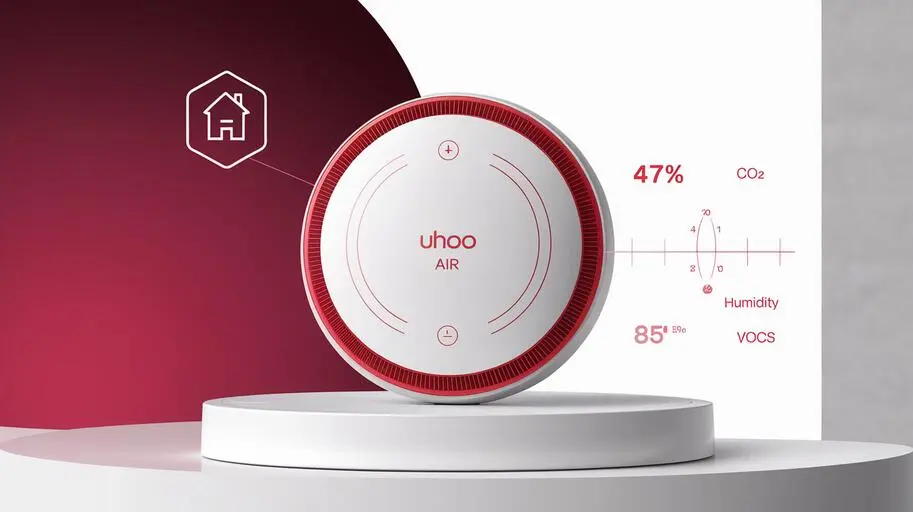
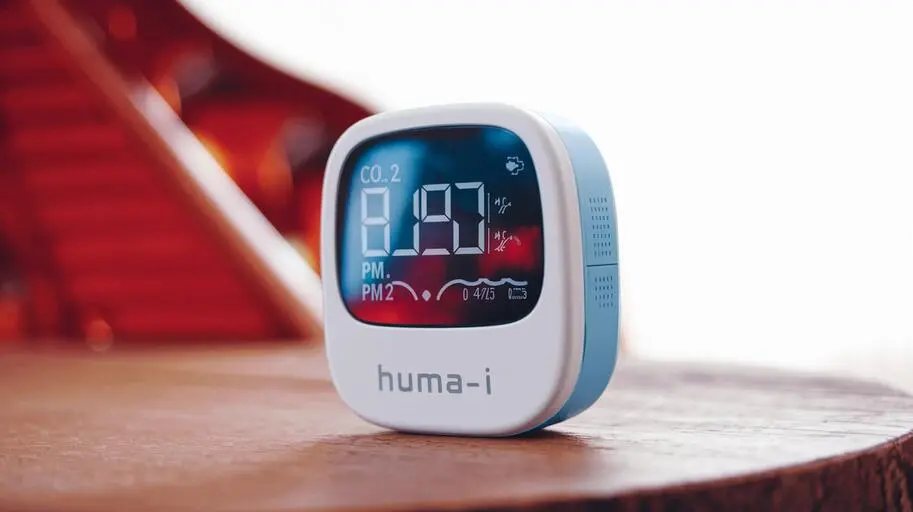
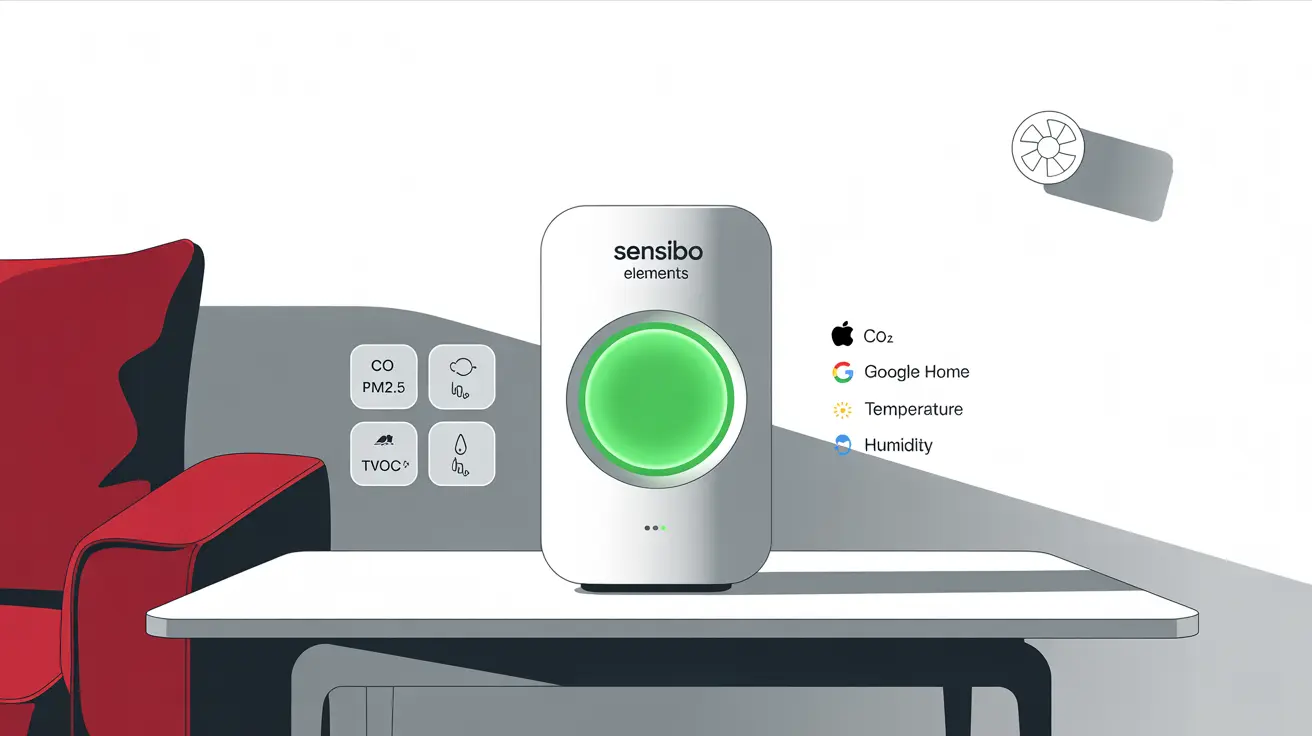
Effective air quality monitoring requires accurate and reliable sensors. Modern air quality sensors can measure a wide range of parameters, including those listed above. When choosing sensors, consider:
- Type of Sensors: Different sensors use different technologies to measure the concentration of pollutants. It is important to choose sensors that are suitable for specific needs.
- Accuracy and Reliability: Make sure that the sensors have sufficient accuracy and reliability to obtain reliable data.
- Measurement Range: Make sure that the sensors can measure the concentration of pollutants in the range that is relevant to your room.
- Calibration: Sensors require regular calibration to ensure measurement accuracy.
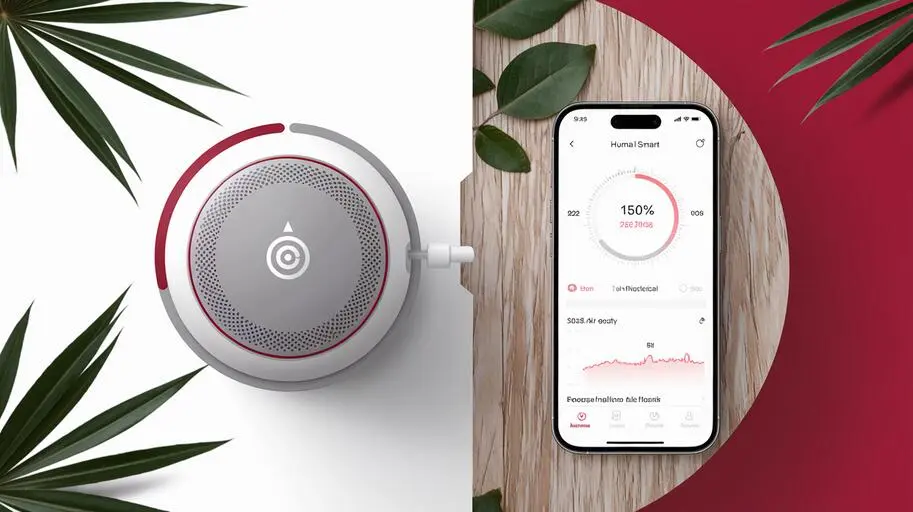
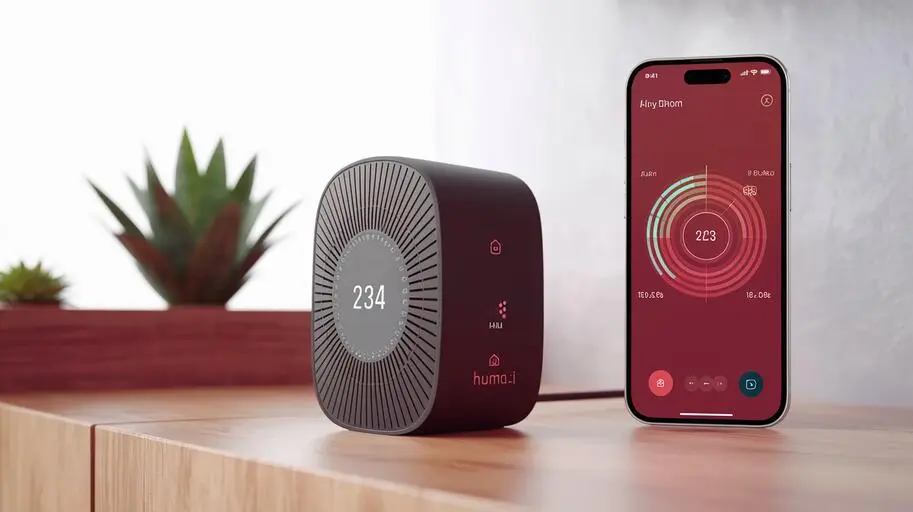
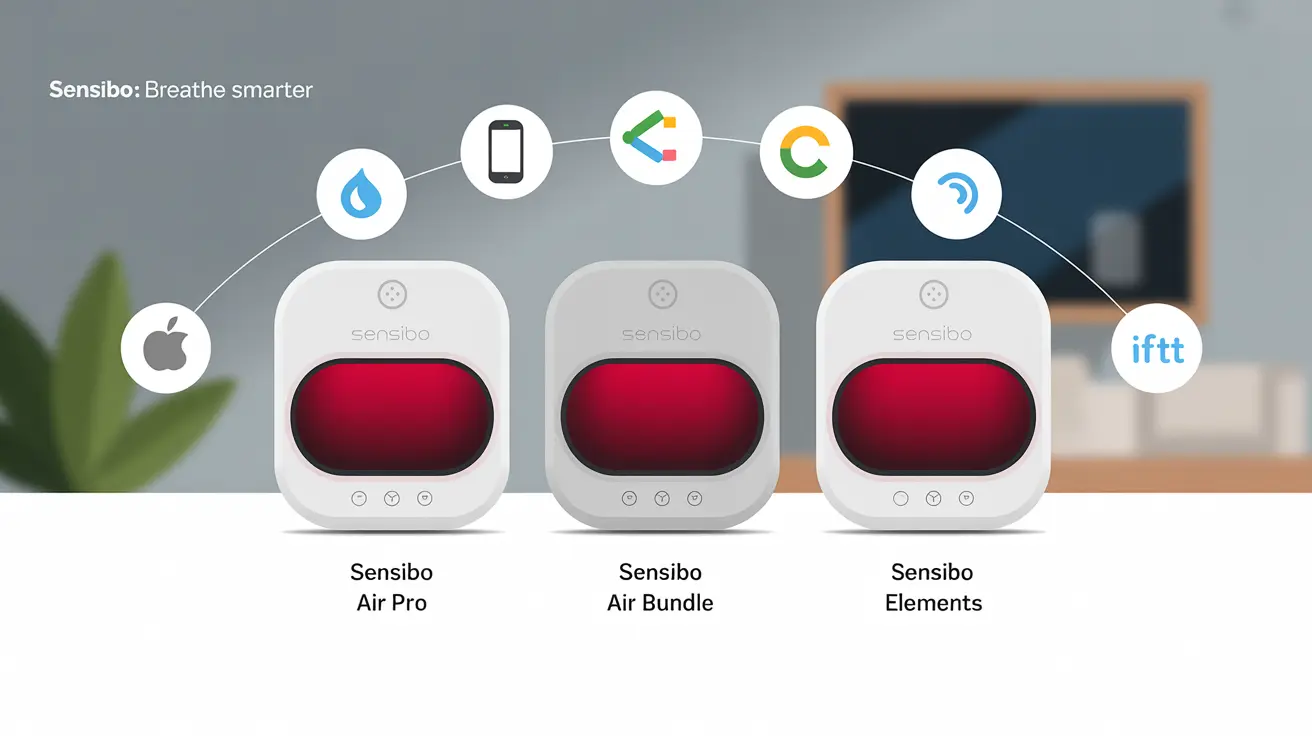
- Connectivity Options: Make sure that the sensors can be connected to the building monitoring and management system (BMS).
- Cost: The price of sensors may vary depending on their characteristics. It is important to find a balance between cost and functionality.
Strategies to Improve Air Quality
After conducting air quality monitoring and identifying problems, it is necessary to take measures to improve the situation. Here are some strategies you can use:
- Ventilation Optimization: Ensure adequate ventilation of the room by adjusting the operation of ventilation and air conditioning systems. Consider using ventilation systems with heat recovery (HRV) or energy (ERV) to reduce heat and energy losses.
- Use of Air Filters: Use high-quality air filters (HEPA) to remove particulate matter and other pollutants from the air. Replace filters regularly according to manufacturer's recommendations.
- Pollution Source Management: Eliminate or minimize sources of pollution in the room. Use environmentally friendly building materials, furniture, and household chemicals. Prohibit smoking in the room.
- Regular Cleaning: Clean the room regularly to remove dust and other pollutants. Use vacuum cleaners with HEPA filters.
- Humidity Control: Maintain the optimum humidity level in the room. Use humidifiers or dehumidifiers if necessary.
- Phytofiltration: Using indoor plants to clean the air. Some plants effectively absorb certain pollutants.
- Ultraviolet Disinfection: Using UV lamps to kill bacteria, viruses and mold in ventilation and air conditioning systems.
Real Measurements and Data Analysis
Data collection is only the first step. The greatest value lies in the correct interpretation and use of the information received. To do this:
- Establish Baseline Metrics: Record the level of air pollution before implementing any changes to have something to compare with.
- Conduct Regular Monitoring: Take measurements at different times of the day and days of the week to identify peak pollution periods.
- Analyze Trends: Use statistical methods to identify trends and correlations between different indicators.
- Make Informed Decisions: Use the analysis results to make decisions regarding improving ventilation, selecting filters, and eliminating sources of pollution.
Conclusion: Investing in Health - Investing in Success
Ensuring quality air in the work environment is not only a matter of comfort, but also a strategic investment in the health of employees, their productivity and the reputation of the company. Moving from simple CO₂ monitoring to a comprehensive approach that takes into account a wide range of factors will create a truly healthy and productive work environment that will benefit everyone.
Frequently Asked Questions About the Importance of Office Air Quality Control
Why is it not enough to monitor only the CO₂ level in the office?
Monitoring only CO₂ does not take into account other important air pollutants, such as volatile organic compounds (VOCs), particulate matter (PM2.5 and PM10), formaldehyde, radon, biological pollutants, and other harmful substances. It also does not take into account sources of pollution and regional differences.
What negative consequences can ignoring air quality in the office have?
Insufficient air quality control can lead to deterioration of employee health (sick building syndrome, allergies, respiratory diseases), reduced productivity, increased sick leave, damage to the company's reputation, and even legal liability.
What should be monitored in addition to CO₂ to assess indoor air quality?
In addition to CO₂, it is important to monitor particulate matter (PM2.5 and PM10), volatile organic compounds (VOCs), formaldehyde, radon, ozone, nitrogen oxides, humidity, temperature, lighting, noise level, microbiological pollutants, and electromagnetic radiation.
What strategies exist for improving air quality in the office?
Strategies include optimizing ventilation, using air filters (HEPA), managing pollution sources, regular cleaning, humidity control, phytofiltration, and ultraviolet disinfection.
What air quality sensors can be used for comprehensive monitoring?
Modern air quality sensors can measure a wide range of parameters. When choosing sensors, consider the type of sensors, accuracy and reliability, measurement range, the need for calibration, connectivity options, and cost.
How to properly use air quality monitoring data?
It is important to establish baseline indicators, conduct regular monitoring, analyze trends, and use the results of the analysis to make informed decisions regarding improving ventilation, selecting filters, and eliminating sources of pollution.