
Clean Air: The Invisible Factor in Your Team's Efficiency
The success of any company depends on the productivity of its employees. But how often do we think about what affects their well-being and ability to concentrate? One factor that is often overlooked is the air quality in the office. The air quality in the office, which your employees breathe, may seem like an insignificant detail, but it actually has a significant impact on their energy, concentration, and overall productivity.
The Problem We Ignore: Dust and Allergens
We are used to thinking that the office is a safe and controlled environment. However, even in carefully cleaned premises, invisible pollutants accumulate, such as dust, plant pollen, fungal spores, pet dander, and other allergens. These particles, invisible to the naked eye, can seriously affect the health and well-being of employees, especially those who suffer from allergies or asthma.
The impact of dust on productivity is often underestimated. People who constantly breathe polluted air may experience:
- Fatigue and weakness
- Headaches and dizziness
- Difficulty breathing and coughing
- Irritation of the eyes, nose, and throat
- Decreased concentration and attention
- Worsening sleep quality
These symptoms, although seemingly minor, can lead to decreased productivity, an increase in sick leave, and a general deterioration of the morale in the team.
Allergens in the Office: A Hidden Threat
The office, especially in large cities, becomes a real breeding ground for allergens.
Office allergens can enter the premises in various ways:
- From the street: Plant pollen, dust, and other pollutants from the air penetrate through windows, doors, and the ventilation system.
- With clothing and shoes: Employees can bring allergens with them on clothing, shoes, and bags.
- With furniture and textiles: Dust, dust mites, and other allergens accumulate in furniture upholstery, carpets, and curtains.
- With pets: If pets are allowed in the office, their fur and dander become a source of allergens.
- From human activity: Some activities, such as printing documents, can release harmful substances into the air that cause allergic reactions.
The consequences of exposure to allergens on employees can vary from a mild runny nose to severe asthma attacks. In any case, allergic reactions significantly affect well-being and the ability to work.
How to Measure the Impact of Dust and Allergens on Team Efficiency?
Unfortunately, many companies have no idea about the real situation with air quality in their offices. The first step to solving the problem is to measure it.
Air Quality Monitoring: The First Step to Change
Regular air quality monitoring allows you to obtain objective data on the level of pollution, the content of allergens, and other harmful substances. There are several ways to conduct monitoring:
- Professional measurements: Ordering services from specialized companies that analyze air using special equipment. This method is the most accurate and reliable, but also the most expensive.
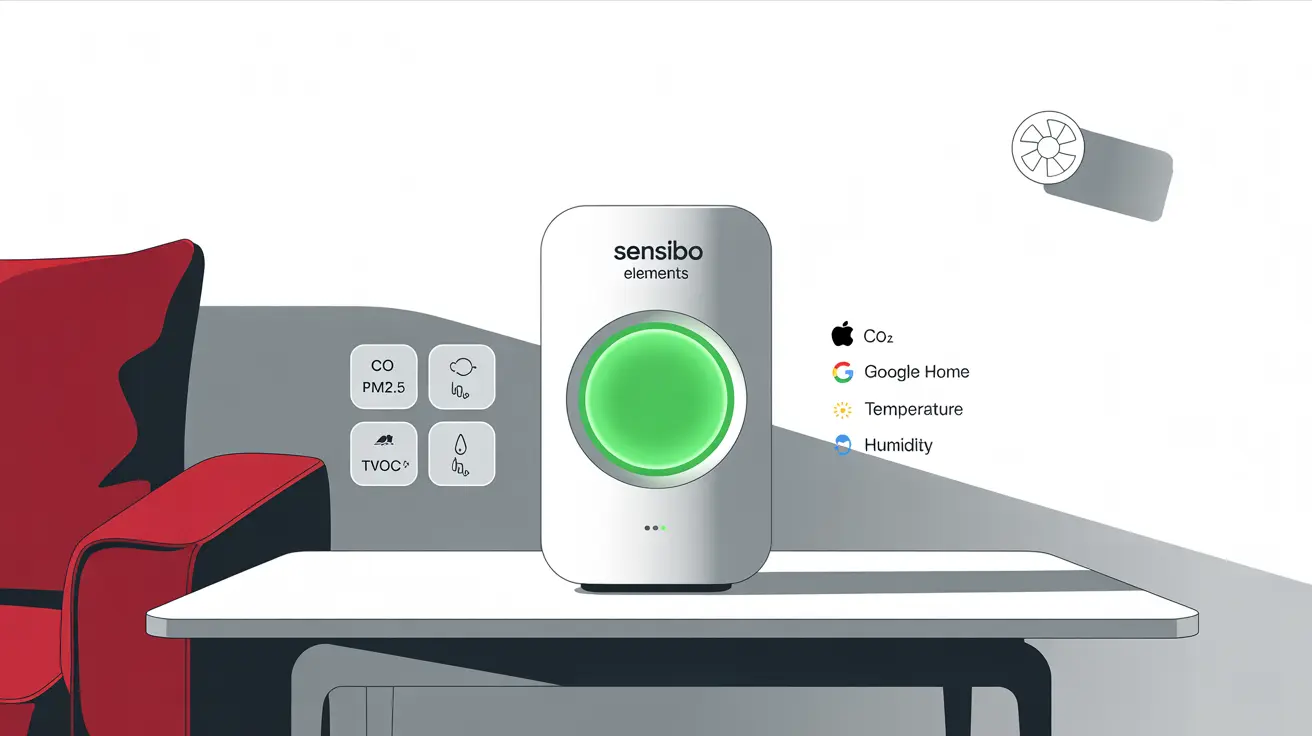
- Using portable monitors: Purchasing portable air quality monitors that allow you to measure the level of pollution in real time. These devices are more affordable, but their accuracy may be lower than that of professional equipment.
- Employee surveys: Conducting surveys among employees to identify symptoms associated with poor air quality. This method is the simplest and cheapest, but it is subjective and does not allow you to obtain objective data.
The data obtained will help identify sources of pollution and develop effective measures to improve air quality.
Data Analysis and Dependency Identification
The collected data on the air pollution level must be analyzed and dependencies established between air quality and employee well-being. It is worth paying attention to:
- The most polluted areas in the office: Identifying places where the concentration of dust and allergens is highest.
- The time of day when the pollution level is highest: Establishing periods when air quality deteriorates.
- Employee complaints: Collecting information about the symptoms that employees experience and their connection with air quality.
- The connection between air quality and productivity: Analyzing the impact of air quality on employee productivity indicators.
Based on this analysis, you can develop individual air quality improvement programs for different areas of the office and for different groups of employees.
Strategies for Improving Air Quality in the Office
Once you have measured the air quality and identified problem areas, it's time to develop strategies to improve it.
Ventilation and Filtration: The Foundation of Clean Air
An effective ventilation system is key to ensuring clean air in the office. It is important:
- Regular ventilation: Ventilate the premises several times a day, especially in the morning and evening.
- Using supply and exhaust ventilation systems: Install a supply and exhaust ventilation system with air filtration that provides constant air exchange and removes pollutants.
- Regular filter replacement: Replace filters in ventilation and air conditioning systems in a timely manner to ensure their effective operation.
Air Purification: Additional Protection
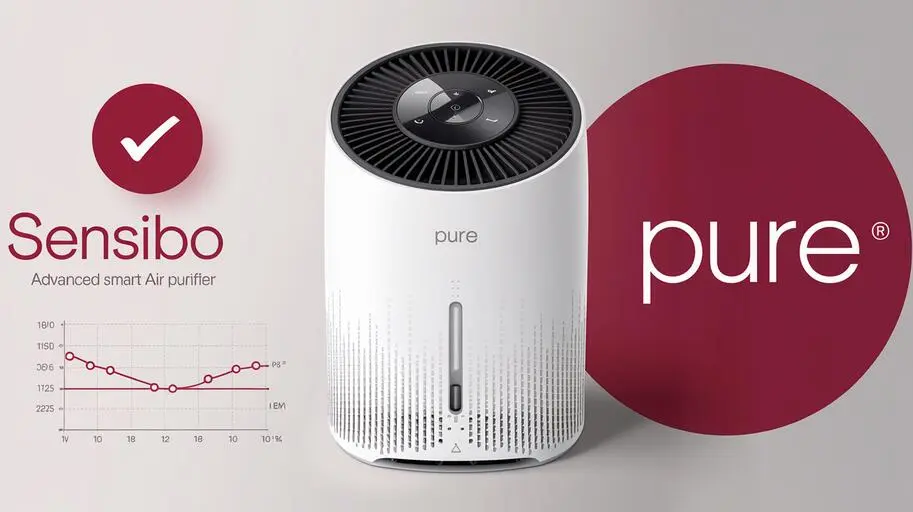
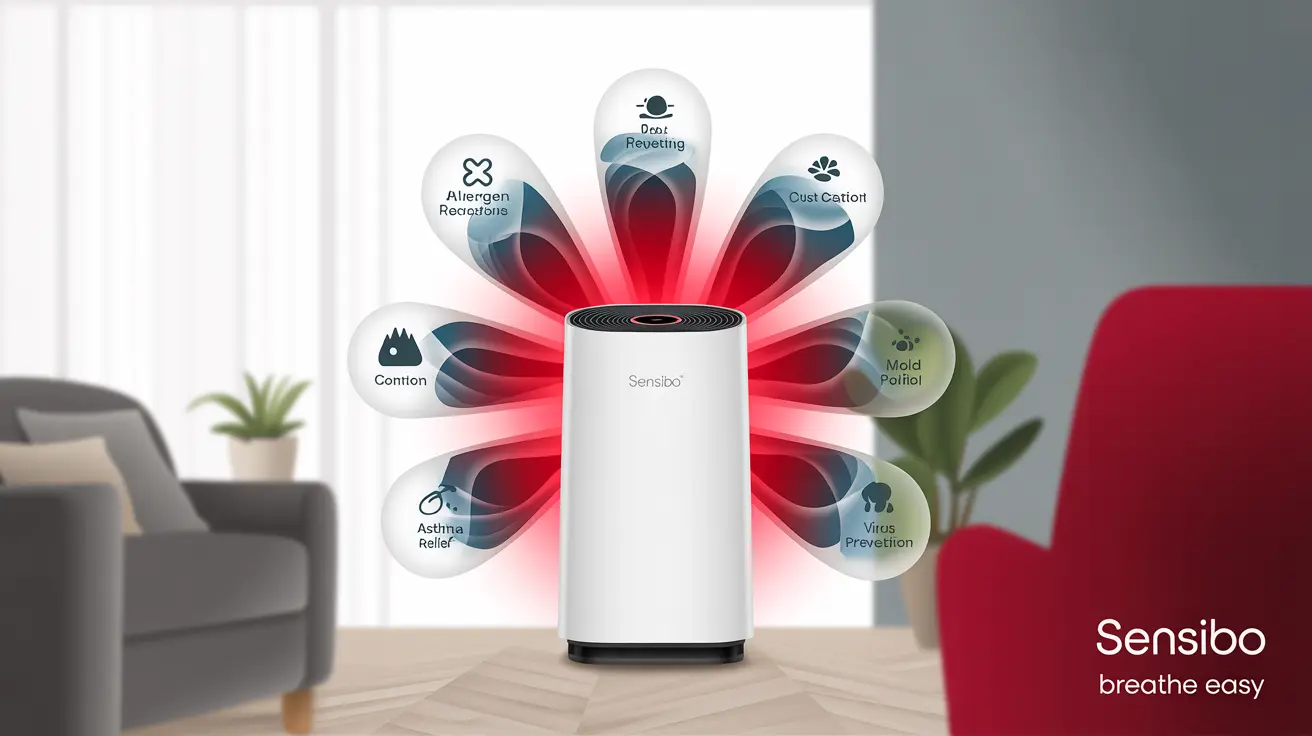
Air purifiers with HEPA filters can significantly improve air quality in the office. Air purifiers with HEPA filters are capable of retaining up to 99.97% of particles with a size of up to 0.3 microns, including dust, pollen, fungal spores, and other allergens.
- Choosing an air purifier: Choose air purifiers that match the area of the room and have a HEPA filter.
- Location of the air purifier: Place air purifiers in places where the concentration of pollutants is highest.
- Regular maintenance: Regularly clean or replace the filters in air purifiers to ensure their effective operation.
Regular Cleaning: Fighting Dust and Allergens
Regular and high-quality cleaning is an important element of maintaining clean air in the office.
- Wet cleaning: Perform wet cleaning of the premises several times a week to remove dust and other pollutants from surfaces.
- Using vacuum cleaners with HEPA filters: Use vacuum cleaners with HEPA filters to clean carpets, furniture, and other surfaces where dust accumulates.
- Washing textiles: Regularly wash curtains, furniture upholstery, and other textiles to remove dust and allergens.
- Avoid using strong chemicals: Avoid using strong chemicals for cleaning, as they can release harmful substances into the air.
Plants in the Office: Natural Air Filters
Some indoor plants can effectively clean the air of harmful substances.
- Choosing plants: Choose plants that are known for their air-cleaning properties, such as chlorophytum, sansevieria, spathiphyllum, etc.
- Plant care: Provide plants with enough light, water, and fertilizers so that they can effectively clean the air.
- Allergen control: Monitor the condition of plants so that they do not become a source of allergens.

Control of Pollution Sources
It is important to identify and eliminate sources of air pollution in the office.
- Smoking: Ban smoking in the office and near the entrance to the building.
- Carpeted floors: Eliminate carpeted floors, which accumulate dust and allergens.
- Old furniture: Replace old furniture that may release harmful substances into the air.
- Document printing: Place printers and copiers in separate rooms with good ventilation.
- Chemicals: Avoid using chemicals that may release harmful substances into the air.
Why is Clean Air Part of an HR Strategy?
Investing in clean air in the office is not just an expense, but a strategic investment in the health and productivity of your team. This is a direct path to increasing efficiency, reducing sick leave, and improving morale in the team.
Increasing Employee Productivity
Clean air helps improve employee concentration, attention, and energy, which directly affects their productivity. Reducing the amount of allergens and other pollutants in the air allows employees to feel better, work more efficiently, and achieve better results.
Reducing Sick Leave
Poor air in the office can lead to the development of various diseases, such as colds, allergies, asthma, etc. Improving air quality reduces the risk of disease, reduces sick leave, and increases employee attendance.
Improving Morale in the Team
Caring for the health of employees is an important factor that affects morale in the team. Providing clean air in the office demonstrates that the company values its employees and cares about their well-being. This contributes to increasing employee loyalty, improving relationships in the team, and creating a more positive atmosphere for work. Caring for employees directly affects their motivation.
Loyalty and Talent Retention
In today's world, where competition for talent is very high, companies must offer employees not only a good salary, but also comfortable and safe working conditions. Providing clean air in the office is an important factor that can influence a candidate's decision when choosing an employer. Companies that care about the health of their employees are more likely to attract and retain the best specialists.
How to Integrate Air Quality into HR Strategy?
Integrating the issue of air quality into HR strategy requires a comprehensive approach and the involvement of various company departments.
Risk Assessment and Action Plan Development
Assess the risks associated with air quality in the office and develop an action plan to minimize them. Include in the action plan measures for air quality monitoring, ventilation and filtration, cleaning, control of pollution sources, etc.
Employee Involvement
Involve employees in the process of improving air quality. Conduct surveys, organize meetings and discussions to learn about their needs and suggestions. Inform employees about the measures being taken to improve air quality and about their role in this process.
Training and Awareness Raising
Conduct training and raise employee awareness about the importance of air quality and its impact on health and productivity. Teach employees how to properly ventilate the premises, how to use air purifiers, and how to reduce the impact of allergens.
Monitoring and Evaluation of Results
Regularly monitor air quality in the office and evaluate the results of the measures taken. Collect employee feedback and analyze data on the number of sick leave, productivity, and morale in the team. Based on the data obtained, make changes to the action plan and improve the air quality improvement strategy.
Communication
Actively communicate your efforts to improve air quality. Show that you value the health and well-being of your employees. Post information about air quality in a prominent place, share monitoring results, and talk about the measures taken. Transparency and openness promote trust and support from employees.
By integrating the issue of air quality into HR strategy, you will not only improve working conditions for your employees, but also create a healthier and more productive working atmosphere that will contribute to the success of your company.
Frequently Asked Questions about Clean Air in the Office: How Dust and Allergens Affect Your Team
Why is air quality in the office important for my company?
Air quality directly affects the productivity, concentration, and overall well-being of your employees. Clean air reduces fatigue, headaches, and the risk of allergic reactions, which contributes to increased work efficiency.
What are the main sources of air pollution in the office?
The main sources are dust, pollen, mold spores, pet dander, allergens from the street, as well as harmful substances emitted by furniture, equipment, and during document printing.
How can I measure the air quality in my office?
You can order professional measurements from specialized companies, use portable air quality monitors, or conduct a survey among employees regarding their symptoms associated with poor air quality.
What strategies can be used to improve air quality in the office?
Effective strategies include regular ventilation, the use of supply and exhaust ventilation systems with filtration, the installation of air purifiers with HEPA filters, regular wet cleaning, and the placement of indoor plants that purify the air.
Why is investing in clean air part of an HR strategy?
Clean air helps to increase employee productivity, reduces the number of sick days, improves the moral climate in the team, and increases the loyalty of talents. It demonstrates concern for the health of employees, which positively affects their motivation and commitment to the company.
How to integrate air quality issues into my company's HR strategy?
Conduct a risk assessment, develop an action plan, involve employees in the improvement process, provide training and raise awareness, regularly monitor air quality, and actively communicate about your improvement efforts.